
contractors marketing

Deciding Between Expanding or Referring Out Work

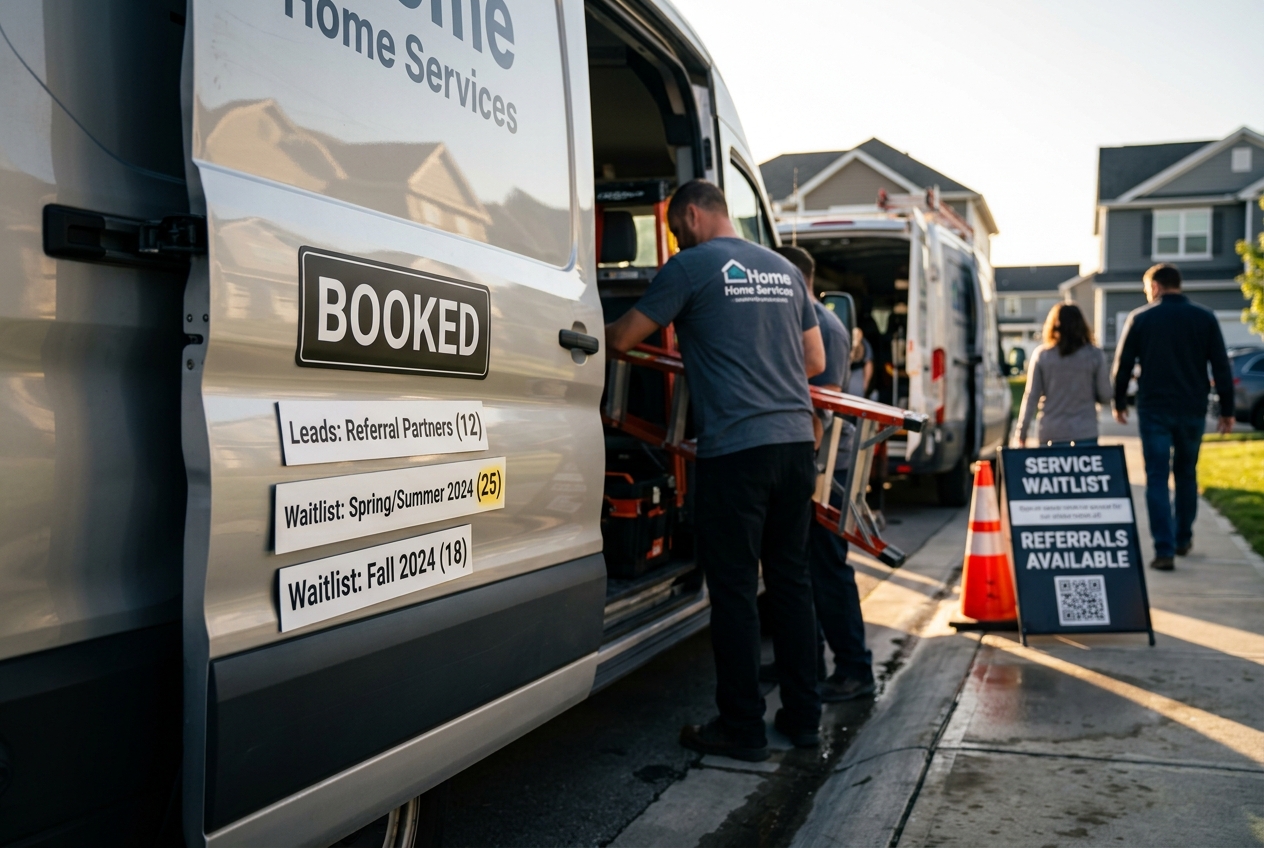
Fully booked crews and a phone that won’t stop ringing — that’s a good problem, but only if you handle it right. Knowing what to do when your crews are booked but the leads keep coming is one of the most important decisions a growing home service business can get right. Whether you run a roofing company, an HVAC operation, or a plumbing outfit, this decision shapes how clients perceive you and whether your reputation survives the pressure. Managing rising demand isn’t just about landing the next big job. It’s about assessing your capacity, reading the market, and choosing a path that fits your goals without letting quality slip.

This guide walks through the key considerations: evaluating your strengths, analyzing market conditions, weighing expansion costs, and managing client relationships — each one designed to help you make smarter decisions and protect the reputation you’ve worked hard to build.

When all your crews are booked and leads are still flowing in, the core choice usually comes down to expanding your capabilities or referring work out to other businesses. Which path makes sense depends on where your operation actually stands.

Assessing Business Strengths and Weaknesses

Start by taking an honest look at your current setup. Can your infrastructure support growth without sacrificing service quality? If your crews consistently deliver excellent results, they may be able to handle more. But if they’re already stretched thin or regularly working overtime, pushing harder risks morale and quality. In that case, referrals might be the smarter move.

Understanding Market Conditions

Research your local market before committing to anything. According to IBISWorld, the home-services market in the U.S. has seen steady growth, driven by rising housing demand and increased spending on home improvements. If your market reflects that trend, there may be real room to expand — just make sure the space isn’t already crowded with competitors.

Calculating the Cost of Expansion

Expansion has a price tag worth examining closely. According to a U.S. Small Business Administration report, growing a home-service business typically means hiring additional staff, purchasing or leasing more equipment, and ramping up marketing to attract new clients. Before committing, make sure your projected revenue from that growth clearly outweighs those costs.

Weighing the Benefits of Referrals

Referring out work can feel like leaving money on the table, but it doesn’t have to be. Strategic partnerships with complementary businesses — say, a roofing company teaming up with a gutter cleaning crew — can generate reciprocal referrals and quietly expand your market presence. According to a Nielsen survey, 92% of consumers trust referrals from people they know, which makes these arrangements a legitimate way to maintain customer satisfaction while still capturing market share indirectly.

Considering Client Relationships

However you handle the overflow, client relationships should stay front and center. An Accenture survey found that 83% of consumers prefer businesses that continuously add value to their experience. If you’re expanding, don’t let service quality slide. If you’re referring, be upfront with clients about your partners and vouch for their work. That kind of transparency builds trust that lasts.

Testing the Waters

Rather than going all-in on one approach, consider a hybrid model first. Slightly increase your crew capacity while occasionally referring out work, and see what happens. This lets you test both directions without destabilizing your core operations — and it tends to surface problems before they become expensive ones.

Careful consideration here will ensure your decision delivers value to both your business and your clients, while keeping your reputation intact.

Preserving Brand Reputation During Backlogs

A packed schedule is generally a good sign. But when your crews are booked solid and new leads keep coming in, managing customer expectations gets harder — and how you handle it can make or break your brand.

Communication is the foundation. Be upfront about wait times and availability before clients have to ask. According to a Salesforce study, 80% of customers value a company’s experience as much as its products or services. When someone calls looking for immediate service, tell them plainly about the backlog and give them a realistic timeline. It prevents frustration and sets the right tone from the start.

A prioritization system helps too. Not every job carries the same urgency — an emergency repair should move ahead of routine maintenance, and being transparent about that criteria shows clients you’re thinking about their actual needs, not just filling a calendar.

Building a referral network is another practical move. Partnering with other reputable service providers to handle overflow work signals to clients that you’re committed to getting them help, even when you can’t deliver it personally. Most people appreciate that more than they appreciate being left on hold.

On the operational side, scheduling software like ServiceTitan or Housecall Pro can reduce human error and give you more accurate windows to share with customers. Better scheduling means fewer surprises for everyone.

Don’t skip the follow-up either. Once a project wraps, check in with clients — especially those who waited longer than expected. The Harvard Business Review found that increasing customer retention rates by just 5% can boost profits by 25% to 95%. A simple check-in can turn a frustrated customer into a loyal one.

Finally, lean times are worth using intentionally. Hosting a free home maintenance workshop or putting out a practical webinar keeps your brand visible and positions you as the local expert people think of when they’re ready to book.

These strategies won’t just protect your reputation during a backlog — done consistently, they’ll strengthen it.

Developing Waitlist Strategies That Retain Interest

When demand outpaces availability, a waitlist isn’t a consolation prize — it’s an asset, if you manage it well.

Start by studying your own patterns. For most contractors, seasons and weather drive demand in predictable ways. Use your historical data to anticipate busy stretches and build a structured waitlist process before you need one, rather than scrambling when things get hectic.

A waitlist is also a relationship-building opportunity. Set clear expectations upfront about how the process works, and use automated systems to send periodic updates to people who are waiting. That kind of consistent communication keeps your business top of mind and signals that they haven’t been forgotten.

Consider building in a tiered structure. Give priority to returning clients or strong referrals — rewarding loyalty with a shorter wait acknowledges the relationship and gives people a reason to stick with you rather than calling a competitor.

Personalized communication sharpens the approach further. Segment your waitlist by service type, urgency, or whatever criteria matter most to your operation. Sending a targeted message to someone waiting on a roofing job — with practical tips on maintaining their current roof in the meantime — is far more useful than a generic “we’ll be in touch soon.”

Incentives are worth considering as well. A modest discount or small gift card for waiting can go a long way. A study by the Incentive Research Foundation found that well-structured incentives can increase performance by as much as 22% — and the same principle applies to keeping clients engaged while they wait.

Finally, ask for feedback from people who’ve been on your waitlist. What worked for them? What felt frustrating? That input helps you refine the process over time and shows clients you’re paying attention.

A well-run waitlist transforms overflow into opportunity — and keeps those relationships warm until you’re ready to deliver.

Frequently Asked Questions

What are effective strategies for what to do when your crews are booked but the leads keep coming?

When your crews are fully booked and leads keep coming in, start with a structured waitlist to manage expectations and keep prospects engaged. Build partnerships with reputable local providers to handle referrals, which maintains goodwill and can generate referral fees. If demand consistently exceeds capacity, consider bringing on temporary or subcontractor crews. And look for ways to improve operational efficiency so your existing team can handle more within the same timeframe.

What questions should electricians ask potential internet marketing partners?

Ask about their experience in the trades and request specific examples of results with similar businesses. Find out how they approach SEO and how they tailor strategies for electrical services. Ask how they measure and report on success — transparency matters. Also ask what’s included beyond lead generation, like brand development and local SEO, which are essential for long-term visibility. You can also review case studies from marketing partners to get a clearer picture of their track record before committing.

What happens to leads that wait too long for service?

They leave. Leads who experience long wait times without communication are likely to call a competitor, and the damage doesn’t stop there — delayed responses can trigger negative reviews and erode trust with future prospects. Over time, that chips away at your credibility and market share. Solid lead management prevents most of this before it starts.

Moving Forward

Balancing growth with quality isn’t a one-time decision — it’s an ongoing practice. By honestly assessing your strengths, reading your market, calculating what expansion actually costs, and building referral relationships you trust, you can handle rising demand without letting your standards slip. Clear communication during busy periods and smarter scheduling protect your brand. A well-managed waitlist keeps future opportunities alive.

Test different approaches, pay attention to what your clients tell you, and adjust as you go. If you’d like tailored guidance on managing growth while protecting service quality, reach out to Aginto for a complimentary consultation to talk through your specific challenges and goals.

Your business is unique. Let’s discuss your specific goals. Schedule a consultation.

Deciding Between Expanding or Referring Out Work

Fully booked crews and a phone that won’t stop ringing — that’s a good problem, but only if you handle it right. Knowing what to do when your crews are booked but the leads keep coming is one of the most important decisions a growing home service business can get right. Whether you run a roofing company, an HVAC operation, or a plumbing outfit, this decision shapes how clients perceive you and whether your reputation survives the pressure. Managing rising demand isn’t just about landing the next big job. It’s about assessing your capacity, reading the market, and choosing a path that fits your goals without letting quality slip.

This guide walks through the key considerations: evaluating your strengths, analyzing market conditions, weighing expansion costs, and managing client relationships — each one designed to help you make smarter decisions and protect the reputation you’ve worked hard to build.

When all your crews are booked and leads are still flowing in, the core choice usually comes down to expanding your capabilities or referring work out to other businesses. Which path makes sense depends on where your operation actually stands.

Assessing Business Strengths and Weaknesses

Start by taking an honest look at your current setup. Can your infrastructure support growth without sacrificing service quality? If your crews consistently deliver excellent results, they may be able to handle more. But if they’re already stretched thin or regularly working overtime, pushing harder risks morale and quality. In that case, referrals might be the smarter move.

Understanding Market Conditions

Research your local market before committing to anything. According to IBISWorld, the home-services market in the U.S. has seen steady growth, driven by rising housing demand and increased spending on home improvements. If your market reflects that trend, there may be real room to expand — just make sure the space isn’t already crowded with competitors.

Calculating the Cost of Expansion

Expansion has a price tag worth examining closely. According to a U.S. Small Business Administration report, growing a home-service business typically means hiring additional staff, purchasing or leasing more equipment, and ramping up marketing to attract new clients. Before committing, make sure your projected revenue from that growth clearly outweighs those costs.

Weighing the Benefits of Referrals

Referring out work can feel like leaving money on the table, but it doesn’t have to be. Strategic partnerships with complementary businesses — say, a roofing company teaming up with a gutter cleaning crew — can generate reciprocal referrals and quietly expand your market presence. According to a Nielsen survey, 92% of consumers trust referrals from people they know, which makes these arrangements a legitimate way to maintain customer satisfaction while still capturing market share indirectly.

Considering Client Relationships

However you handle the overflow, client relationships should stay front and center. An Accenture survey found that 83% of consumers prefer businesses that continuously add value to their experience. If you’re expanding, don’t let service quality slide. If you’re referring, be upfront with clients about your partners and vouch for their work. That kind of transparency builds trust that lasts.

Testing the Waters

Rather than going all-in on one approach, consider a hybrid model first. Slightly increase your crew capacity while occasionally referring out work, and see what happens. This lets you test both directions without destabilizing your core operations — and it tends to surface problems before they become expensive ones.

Careful consideration here will ensure your decision delivers value to both your business and your clients, while keeping your reputation intact.

Preserving Brand Reputation During Backlogs

A packed schedule is generally a good sign. But when your crews are booked solid and new leads keep coming in, managing customer expectations gets harder — and how you handle it can make or break your brand.

Communication is the foundation. Be upfront about wait times and availability before clients have to ask. According to a Salesforce study, 80% of customers value a company’s experience as much as its products or services. When someone calls looking for immediate service, tell them plainly about the backlog and give them a realistic timeline. It prevents frustration and sets the right tone from the start.

A prioritization system helps too. Not every job carries the same urgency — an emergency repair should move ahead of routine maintenance, and being transparent about that criteria shows clients you’re thinking about their actual needs, not just filling a calendar.

Building a referral network is another practical move. Partnering with other reputable service providers to handle overflow work signals to clients that you’re committed to getting them help, even when you can’t deliver it personally. Most people appreciate that more than they appreciate being left on hold.

On the operational side, scheduling software like ServiceTitan or Housecall Pro can reduce human error and give you more accurate windows to share with customers. Better scheduling means fewer surprises for everyone.

Don’t skip the follow-up either. Once a project wraps, check in with clients — especially those who waited longer than expected. The Harvard Business Review found that increasing customer retention rates by just 5% can boost profits by 25% to 95%. A simple check-in can turn a frustrated customer into a loyal one.

Finally, lean times are worth using intentionally. Hosting a free home maintenance workshop or putting out a practical webinar keeps your brand visible and positions you as the local expert people think of when they’re ready to book.

These strategies won’t just protect your reputation during a backlog — done consistently, they’ll strengthen it.

Developing Waitlist Strategies That Retain Interest

When demand outpaces availability, a waitlist isn’t a consolation prize — it’s an asset, if you manage it well.

Start by studying your own patterns. For most contractors, seasons and weather drive demand in predictable ways. Use your historical data to anticipate busy stretches and build a structured waitlist process before you need one, rather than scrambling when things get hectic.

A waitlist is also a relationship-building opportunity. Set clear expectations upfront about how the process works, and use automated systems to send periodic updates to people who are waiting. That kind of consistent communication keeps your business top of mind and signals that they haven’t been forgotten.

Consider building in a tiered structure. Give priority to returning clients or strong referrals — rewarding loyalty with a shorter wait acknowledges the relationship and gives people a reason to stick with you rather than calling a competitor.

Personalized communication sharpens the approach further. Segment your waitlist by service type, urgency, or whatever criteria matter most to your operation. Sending a targeted message to someone waiting on a roofing job — with practical tips on maintaining their current roof in the meantime — is far more useful than a generic “we’ll be in touch soon.”

Incentives are worth considering as well. A modest discount or small gift card for waiting can go a long way. A study by the Incentive Research Foundation found that well-structured incentives can increase performance by as much as 22% — and the same principle applies to keeping clients engaged while they wait.

Finally, ask for feedback from people who’ve been on your waitlist. What worked for them? What felt frustrating? That input helps you refine the process over time and shows clients you’re paying attention.

A well-run waitlist transforms overflow into opportunity — and keeps those relationships warm until you’re ready to deliver.

Frequently Asked Questions

What are effective strategies for what to do when your crews are booked but the leads keep coming?

When your crews are fully booked and leads keep coming in, start with a structured waitlist to manage expectations and keep prospects engaged. Build partnerships with reputable local providers to handle referrals, which maintains goodwill and can generate referral fees. If demand consistently exceeds capacity, consider bringing on temporary or subcontractor crews. And look for ways to improve operational efficiency so your existing team can handle more within the same timeframe.

What questions should electricians ask potential internet marketing partners?

Ask about their experience in the trades and request specific examples of results with similar businesses. Find out how they approach SEO and how they tailor strategies for electrical services. Ask how they measure and report on success — transparency matters. Also ask what’s included beyond lead generation, like brand development and local SEO, which are essential for long-term visibility. You can also review case studies from marketing partners to get a clearer picture of their track record before committing.

What happens to leads that wait too long for service?

They leave. Leads who experience long wait times without communication are likely to call a competitor, and the damage doesn’t stop there — delayed responses can trigger negative reviews and erode trust with future prospects. Over time, that chips away at your credibility and market share. Solid lead management prevents most of this before it starts.

Moving Forward

Balancing growth with quality isn’t a one-time decision — it’s an ongoing practice. By honestly assessing your strengths, reading your market, calculating what expansion actually costs, and building referral relationships you trust, you can handle rising demand without letting your standards slip. Clear communication during busy periods and smarter scheduling protect your brand. A well-managed waitlist keeps future opportunities alive.

Test different approaches, pay attention to what your clients tell you, and adjust as you go. If you’d like tailored guidance on managing growth while protecting service quality, reach out to Aginto for a complimentary consultation to talk through your specific challenges and goals.

Your business is unique. Let’s discuss your specific goals. Schedule a consultation.

Published on April 7, 2026

About the Author: Chris Williams

Founder at Aginto, and an organic marketing specialist, Chris has worked on everything from SEO to social media marketing to conversion optimization. He spends his downtime raising his daughter, volunteering with the Salvation Army, and obsessing over the Ohio State Buckeyes on Twitter. You can follow him here.