
contractors marketing

Before-and-After Photos: A Contractor’s Secret Weapon for Closing More Deals

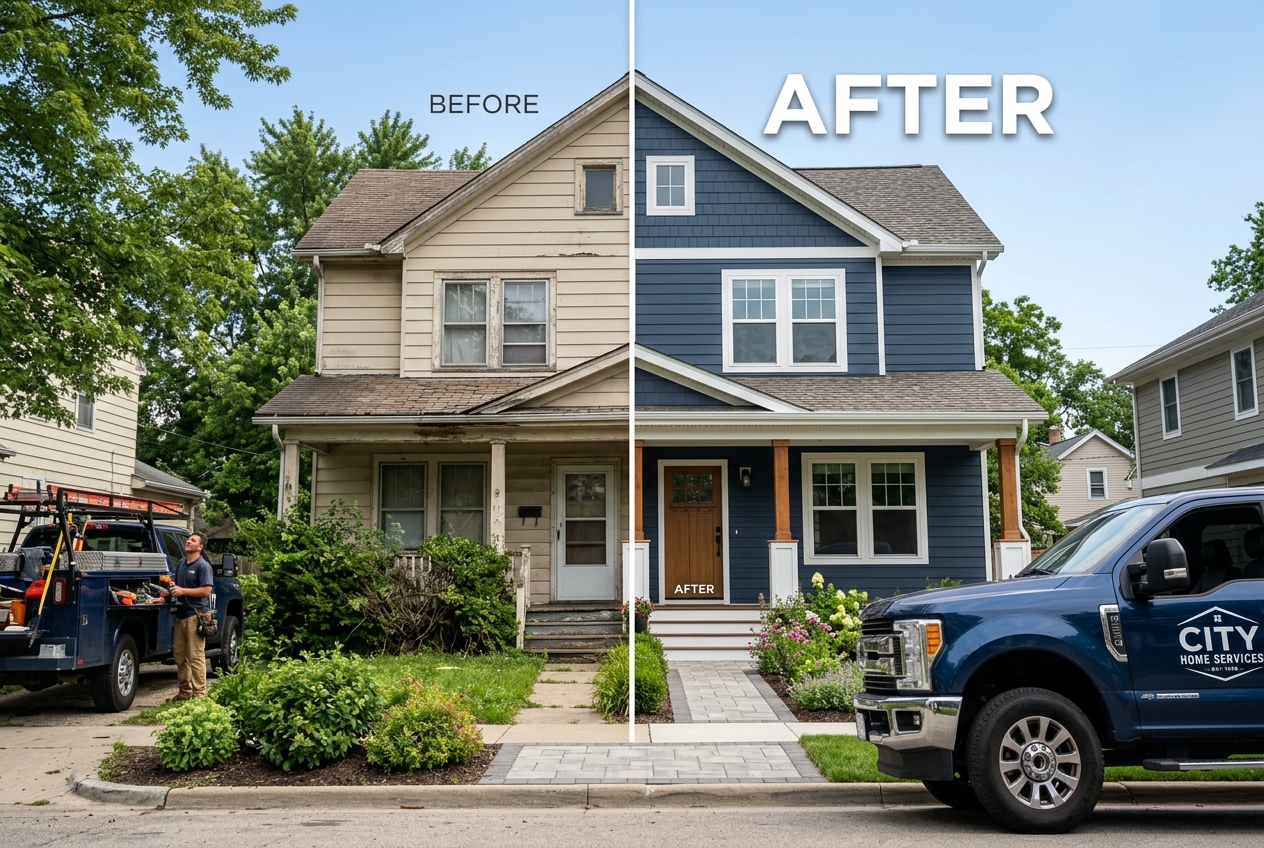
Before-and-after photos are one of the most underused tools in contractor digital marketing — and when done right, they don’t just look good, they close deals. In the competitive world of home services, standing out requires more than saying you’re the best; you need to show it. For contractors, these photos can serve as a bridge between curiosity and decision. They tell a story of transformation, providing vivid proof of your capability and professionalism.

When homeowners see the tangible improvements you can make, they don’t just see a service — they see solutions to their problems. That shift in perception can significantly boost their confidence in choosing your business over others. Properly curated before-and-after galleries not only build trust but drive conversions, turning casual interest into a genuine commitment to hire.

Choosing Projects That Showcase Transformation

Selecting the right projects for your before-and-after photos can make or break your results. Homeowners looking for services like HVAC installations, electrical work, or roofing repairs want to feel confident in their choice. Visual proof of transformation is a powerful way to establish that confidence. To build a gallery that actually converts, focus on projects that clearly display the difference your services make.

Begin with the End in Mind

When planning to use a project for marketing, visualize the end result first. Projects that showcase dramatic changes are more likely to grab attention. A complete basement remodel — where a cluttered storage area becomes a cozy living room — has an obvious visual pull. Research from the Content Marketing Institute highlights that engaging visual content can lead to a 94% increase in views. Lead with projects where the final outcome looks nothing like the starting point.

Choosing the Right Kind of Work

Some services lend themselves more naturally to striking before-and-after shots. Landscaping, kitchen renovations, and exterior paint jobs often yield the most compelling comparisons. Swapping outdated shingles for modern roofing materials, for example, can instantly transform a home’s entire appearance. According to Zillow, homes with well-maintained exteriors can sell for up to 9% more than similar homes with less appealing facades. Showcase projects that enhance curb appeal — those are the ones that stop the scroll.

Highlighting Common Problem Areas

Select projects that address concerns your ideal clients already have. Homeowners often search for solutions to specific problems — poor attic insulation, outdated plumbing fixtures, drafty windows. A report from the Harvard Joint Center for Housing Studies suggests that improving energy efficiency is a primary reason homeowners invest in upgrades. When you show a transformation that solves a familiar problem, you’re not just showing your work — you’re speaking directly to someone who has that same problem right now.

Capturing Realistic and High-Quality Photos

Take the time to capture photos that accurately depict the transformation. Avoid overly edited images that may look unrealistic. Transparency matters; potential clients need to trust that what they see is what they’ll get. High-quality images can significantly impact consumer behavior, boosting confidence in the provider’s capabilities. Use natural lighting, take multiple shots, and choose the angle that best captures the scope of your work.

Telling a Story Through Images

Effective before-and-after photos illustrate the problem, the solution, and the result. Pair your images with short, engaging captions that convey the benefits of the transformation. If possible, include a brief testimonial from the client to add authenticity. A Nielsen study found that 92% of consumers trust recommendations from people over branded content. A client saying “I can’t believe how different my kitchen looks” next to your photos does more work than any tagline you could write.

By thoughtfully selecting projects that showcase the most dramatic and relevant transformations, you can turn before-and-after photos into one of the strongest assets in your home services marketing strategy. Presenting your work this way not only attracts attention but builds trust, showing clients the true value of what you do.

Framing and Presentation for Maximum Impact

How you frame and present your before-and-after photos can be just as important as the work itself. When done correctly, these visuals showcase quality and build the kind of trust that drives conversions.

Start with high-quality photography. Clear, well-lit images signal professionalism and attention to detail. According to Adobe, content with images gets 94% more total views than content without — so the bar for quality is higher than most contractors realize.

Framing is crucial. For before-and-after photos, shoot both images from the same angle and distance. That consistency makes the transformation immediately obvious and looks far more polished than mismatched shots. Keep the background simple — distracting elements pull attention away from the work itself.

Storytelling elevates the impact further. Caption each photo with a short narrative describing the client’s initial problem and how your service solved it. For a roof repair project, explain how leaks were affecting the homeowner’s daily life before you stepped in. That context makes your work relatable to anyone facing the same issue.

Where relevant, include specific data. Mention how long the project took, what materials were used, or measurable outcomes — like a lawn care service noting that switching to organic fertilizer improved growth by 30% in six weeks. Numbers give your visuals credibility and authority.

The emotional side matters, too. People connect with stories that reflect their own struggles. A brief testimonial next to your before-and-after photos reinforces that connection. Nielsen’s data shows that 92% of people trust recommendations from others — even strangers — over brand-driven content. A client’s words can add credibility that no headline can replicate.

Organization matters as well. Display these images prominently on your website. Create a dedicated gallery section and sort images by project type or service. This makes it easier for prospective clients to find exactly what they’re looking for, and it keeps them on your site longer.

Well-framed, well-presented before-and-after photos have the power to turn curious visitors into actual clients. Clear imagery, honest storytelling, and smart placement work together to show what makes your service worth choosing.

Using Visuals as Entry Points Into Conversion Funnels

For home services businesses like HVAC companies and electricians, images do more than make a website look appealing — they guide potential customers through your conversion funnel, turning interest into booked jobs.

Before-and-after photos are particularly effective at this. They hold a viewer’s attention and provide a visual narrative that words alone can’t replicate. Research from MDG Advertising found that content with relevant images gets 94% more views than content without. That’s a strong case for being intentional about how you use them.

Quality is non-negotiable. Blurry or poorly lit photos signal carelessness, and that bleeds into how people perceive your actual work. High-resolution images that clearly show the finished job send a message of professionalism. Use natural lighting where possible and make sure images are well-composed. Research published in the Journal of Consumer Research found that visually appealing images can subconsciously boost a customer’s perception of service quality.

Presentation matters just as much. A well-organized before-and-after gallery acts as a visual portfolio. Keep the layout clean and simple — visitors should immediately understand what each image shows. Separating images by service type, like electrical work or plumbing repairs, makes browsing intuitive. A Content Marketing Institute report reveals that 65% of marketers say visuals are core to telling their brand story.

Add short captions to each photo. Describe the problem that was addressed and the solution you provided. If a certain upgrade increased energy efficiency by a measurable percentage, say so. That kind of detail enriches the story and positions you as someone who understands the work deeply.

Interactive features are worth considering, too. Slider tools — where users drag between the before and after states — actively engage visitors rather than just showing them a static image. Interactive elements maintain interest longer and give people a stronger sense of the value you provide.

Visuals also create a natural bridge to testimonials. Including a customer quote alongside a photo adds an emotional layer that pure imagery can’t achieve. Nielsen’s Global Trust in Advertising study found that 92% of consumers trust recommendations from people they know — and even those they don’t — over brand-driven content. A genuine client quote next to a striking transformation can be the thing that tips someone from browsing to calling.

The data backs all of this up. HubSpot’s research revealed that marketers who prioritize visuals are 12% more likely to see increased customer engagement. For home-service contractors, using visuals as deliberate entry points into your conversion funnel requires intention — but the payoff is real. Homeowners need to picture the benefits of your services before they’ll act, and the right photos can get them there.

Frequently Asked Questions

How can contractors use before-and-after photos effectively?

Contractors can use before-and-after photos effectively by showcasing the extent and quality of their work, which helps build trust with potential clients. These photos demonstrate the tangible results of their services, providing a visual narrative that leads to higher engagement. To maximize effectiveness, ensure photos are high-quality, label them clearly with concise descriptions, and optimize them with alt text for SEO purposes. Integrating these photos into case studies or testimonials on your website adds context and highlights the transformation process.

How can businesses improve results with before-and-after photos that convert site visitors?

Place these visuals strategically on landing pages or service-related pages where potential clients are most likely to see them. Pair photos with strong, descriptive copy that explains the impact and benefits of the transformation. Optimize images for faster load times and include relevant keywords in file names and metadata to improve SEO value and drive more organic traffic. Interactive elements like sliders or short videos can make the images more immersive and compelling.

Why do before-and-after photos matter for business growth?

Before-and-after photos directly impact your ability to attract and retain customers through visual storytelling. They serve as powerful proof of your capability and quality, often eliminating the doubts that keep potential customers from reaching out. By converting more site visitors, these photos help increase lead generation, boost customer acquisition, and drive revenue growth. They also improve user experience, extend time on site, and enhance brand credibility. Well-optimized before-and-after visuals contribute to better search engine rankings, increasing your visibility to exactly the kind of homeowners you want to reach.

Moving Forward

Selecting and showcasing the right projects can elevate your marketing strategy, making your services tangible and relatable to potential clients. Projects that illustrate dramatic transformations, address common homeowner concerns, and feature clear, high-quality visuals are the foundation of a gallery that actually does something. These strategies create a compelling narrative while providing proof of your expertise and reliability.

Ready to put your best work front and center? Reach out for a free consultation and learn how optimized visual marketing can help your business attract more of the clients you want to reach.

Your business is unique. Let’s discuss your specific goals. Schedule a consultation.

Before-and-After Photos: A Contractor’s Secret Weapon for Closing More Deals

Before-and-after photos are one of the most underused tools in contractor digital marketing — and when done right, they don’t just look good, they close deals. In the competitive world of home services, standing out requires more than saying you’re the best; you need to show it. For contractors, these photos can serve as a bridge between curiosity and decision. They tell a story of transformation, providing vivid proof of your capability and professionalism.

When homeowners see the tangible improvements you can make, they don’t just see a service — they see solutions to their problems. That shift in perception can significantly boost their confidence in choosing your business over others. Properly curated before-and-after galleries not only build trust but drive conversions, turning casual interest into a genuine commitment to hire.

Choosing Projects That Showcase Transformation

Selecting the right projects for your before-and-after photos can make or break your results. Homeowners looking for services like HVAC installations, electrical work, or roofing repairs want to feel confident in their choice. Visual proof of transformation is a powerful way to establish that confidence. To build a gallery that actually converts, focus on projects that clearly display the difference your services make.

Begin with the End in Mind

When planning to use a project for marketing, visualize the end result first. Projects that showcase dramatic changes are more likely to grab attention. A complete basement remodel — where a cluttered storage area becomes a cozy living room — has an obvious visual pull. Research from the Content Marketing Institute highlights that engaging visual content can lead to a 94% increase in views. Lead with projects where the final outcome looks nothing like the starting point.

Choosing the Right Kind of Work

Some services lend themselves more naturally to striking before-and-after shots. Landscaping, kitchen renovations, and exterior paint jobs often yield the most compelling comparisons. Swapping outdated shingles for modern roofing materials, for example, can instantly transform a home’s entire appearance. According to Zillow, homes with well-maintained exteriors can sell for up to 9% more than similar homes with less appealing facades. Showcase projects that enhance curb appeal — those are the ones that stop the scroll.

Highlighting Common Problem Areas

Select projects that address concerns your ideal clients already have. Homeowners often search for solutions to specific problems — poor attic insulation, outdated plumbing fixtures, drafty windows. A report from the Harvard Joint Center for Housing Studies suggests that improving energy efficiency is a primary reason homeowners invest in upgrades. When you show a transformation that solves a familiar problem, you’re not just showing your work — you’re speaking directly to someone who has that same problem right now.

Capturing Realistic and High-Quality Photos

Take the time to capture photos that accurately depict the transformation. Avoid overly edited images that may look unrealistic. Transparency matters; potential clients need to trust that what they see is what they’ll get. High-quality images can significantly impact consumer behavior, boosting confidence in the provider’s capabilities. Use natural lighting, take multiple shots, and choose the angle that best captures the scope of your work.

Telling a Story Through Images

Effective before-and-after photos illustrate the problem, the solution, and the result. Pair your images with short, engaging captions that convey the benefits of the transformation. If possible, include a brief testimonial from the client to add authenticity. A Nielsen study found that 92% of consumers trust recommendations from people over branded content. A client saying “I can’t believe how different my kitchen looks” next to your photos does more work than any tagline you could write.

By thoughtfully selecting projects that showcase the most dramatic and relevant transformations, you can turn before-and-after photos into one of the strongest assets in your home services marketing strategy. Presenting your work this way not only attracts attention but builds trust, showing clients the true value of what you do.

Framing and Presentation for Maximum Impact

How you frame and present your before-and-after photos can be just as important as the work itself. When done correctly, these visuals showcase quality and build the kind of trust that drives conversions.

Start with high-quality photography. Clear, well-lit images signal professionalism and attention to detail. According to Adobe, content with images gets 94% more total views than content without — so the bar for quality is higher than most contractors realize.

Framing is crucial. For before-and-after photos, shoot both images from the same angle and distance. That consistency makes the transformation immediately obvious and looks far more polished than mismatched shots. Keep the background simple — distracting elements pull attention away from the work itself.

Storytelling elevates the impact further. Caption each photo with a short narrative describing the client’s initial problem and how your service solved it. For a roof repair project, explain how leaks were affecting the homeowner’s daily life before you stepped in. That context makes your work relatable to anyone facing the same issue.

Where relevant, include specific data. Mention how long the project took, what materials were used, or measurable outcomes — like a lawn care service noting that switching to organic fertilizer improved growth by 30% in six weeks. Numbers give your visuals credibility and authority.

The emotional side matters, too. People connect with stories that reflect their own struggles. A brief testimonial next to your before-and-after photos reinforces that connection. Nielsen’s data shows that 92% of people trust recommendations from others — even strangers — over brand-driven content. A client’s words can add credibility that no headline can replicate.

Organization matters as well. Display these images prominently on your website. Create a dedicated gallery section and sort images by project type or service. This makes it easier for prospective clients to find exactly what they’re looking for, and it keeps them on your site longer.

Well-framed, well-presented before-and-after photos have the power to turn curious visitors into actual clients. Clear imagery, honest storytelling, and smart placement work together to show what makes your service worth choosing.

Using Visuals as Entry Points Into Conversion Funnels

For home services businesses like HVAC companies and electricians, images do more than make a website look appealing — they guide potential customers through your conversion funnel, turning interest into booked jobs.

Before-and-after photos are particularly effective at this. They hold a viewer’s attention and provide a visual narrative that words alone can’t replicate. Research from MDG Advertising found that content with relevant images gets 94% more views than content without. That’s a strong case for being intentional about how you use them.

Quality is non-negotiable. Blurry or poorly lit photos signal carelessness, and that bleeds into how people perceive your actual work. High-resolution images that clearly show the finished job send a message of professionalism. Use natural lighting where possible and make sure images are well-composed. Research published in the Journal of Consumer Research found that visually appealing images can subconsciously boost a customer’s perception of service quality.

Presentation matters just as much. A well-organized before-and-after gallery acts as a visual portfolio. Keep the layout clean and simple — visitors should immediately understand what each image shows. Separating images by service type, like electrical work or plumbing repairs, makes browsing intuitive. A Content Marketing Institute report reveals that 65% of marketers say visuals are core to telling their brand story.

Add short captions to each photo. Describe the problem that was addressed and the solution you provided. If a certain upgrade increased energy efficiency by a measurable percentage, say so. That kind of detail enriches the story and positions you as someone who understands the work deeply.

Interactive features are worth considering, too. Slider tools — where users drag between the before and after states — actively engage visitors rather than just showing them a static image. Interactive elements maintain interest longer and give people a stronger sense of the value you provide.

Visuals also create a natural bridge to testimonials. Including a customer quote alongside a photo adds an emotional layer that pure imagery can’t achieve. Nielsen’s Global Trust in Advertising study found that 92% of consumers trust recommendations from people they know — and even those they don’t — over brand-driven content. A genuine client quote next to a striking transformation can be the thing that tips someone from browsing to calling.

The data backs all of this up. HubSpot’s research revealed that marketers who prioritize visuals are 12% more likely to see increased customer engagement. For home-service contractors, using visuals as deliberate entry points into your conversion funnel requires intention — but the payoff is real. Homeowners need to picture the benefits of your services before they’ll act, and the right photos can get them there.

Frequently Asked Questions

How can contractors use before-and-after photos effectively?

Contractors can use before-and-after photos effectively by showcasing the extent and quality of their work, which helps build trust with potential clients. These photos demonstrate the tangible results of their services, providing a visual narrative that leads to higher engagement. To maximize effectiveness, ensure photos are high-quality, label them clearly with concise descriptions, and optimize them with alt text for SEO purposes. Integrating these photos into case studies or testimonials on your website adds context and highlights the transformation process.

How can businesses improve results with before-and-after photos that convert site visitors?

Place these visuals strategically on landing pages or service-related pages where potential clients are most likely to see them. Pair photos with strong, descriptive copy that explains the impact and benefits of the transformation. Optimize images for faster load times and include relevant keywords in file names and metadata to improve SEO value and drive more organic traffic. Interactive elements like sliders or short videos can make the images more immersive and compelling.

Why do before-and-after photos matter for business growth?

Before-and-after photos directly impact your ability to attract and retain customers through visual storytelling. They serve as powerful proof of your capability and quality, often eliminating the doubts that keep potential customers from reaching out. By converting more site visitors, these photos help increase lead generation, boost customer acquisition, and drive revenue growth. They also improve user experience, extend time on site, and enhance brand credibility. Well-optimized before-and-after visuals contribute to better search engine rankings, increasing your visibility to exactly the kind of homeowners you want to reach.

Moving Forward

Selecting and showcasing the right projects can elevate your marketing strategy, making your services tangible and relatable to potential clients. Projects that illustrate dramatic transformations, address common homeowner concerns, and feature clear, high-quality visuals are the foundation of a gallery that actually does something. These strategies create a compelling narrative while providing proof of your expertise and reliability.

Ready to put your best work front and center? Reach out for a free consultation and learn how optimized visual marketing can help your business attract more of the clients you want to reach.

Your business is unique. Let’s discuss your specific goals. Schedule a consultation.

Published on April 24, 2026

About the Author: Chris Williams

Founder at Aginto, and an organic marketing specialist, Chris has worked on everything from SEO to social media marketing to conversion optimization. He spends his downtime raising his daughter, volunteering with the Salvation Army, and obsessing over the Ohio State Buckeyes on Twitter. You can follow him here.