hvac companies marketing

Most HVAC Companies Are Posting the Wrong Things

Most HVAC companies are out here posting “Call us for your AC needs!” and wondering why nobody’s calling. The ones winning on social aren’t selling harder — they’re teaching smarter. If you’re looking for HVAC marketing strategies that generate service calls, the real edge isn’t a better promotion. It’s becoming the brand homeowners already trust before something breaks.

Consider how much influence your informative content could wield. Homeowners are eager to learn — and when you give them real insights into energy savings and safety, they’re more likely to turn to your business when service needs come up. You’re not just promoting a service; you’re building something longer-lasting. Here’s how educational content can drive engagement and loyalty in the HVAC industry.

Teaching Homeowners About Efficiency and Safety

Informing homeowners about HVAC efficiency and safety can significantly differentiate your company and generate valuable service calls. Consumers are craving knowledge, especially when it leads to savings or keeps their family safe. By shifting from a sales-first mindset to one of education, HVAC pros can build trust and foster long-lasting customer relationships.

Start with clear, relatable information. Most homeowners have no idea how much their HVAC system affects their energy bills — or their safety. Use social media to share digestible information about the benefits of maintenance and efficiency ratings. Infographics showing how an efficient unit can reduce energy consumption by up to 30%, according to the U.S. Department of Energy, capture attention by connecting system performance directly to dollars saved.

Don’t overlook safety in your campaigns. Carbon monoxide leaks, for instance, are a real and underappreciated danger — the CDC notes that about 50,000 people in the U.S. visit the emergency room each year due to carbon monoxide poisoning. Content that educates your audience on the importance of routine checks, particularly heading into fall and winter, positions your company as a trusted advisor rather than just another vendor.

Interactive content like quizzes can take engagement further. Ask homeowners: “When was your HVAC system last checked for efficiency?” or “Do you know the recommended thermostat settings for summer and winter?” It educates without feeling like a lecture. And when a potential hazard surfaces, suggesting a service call as the next step feels completely natural.

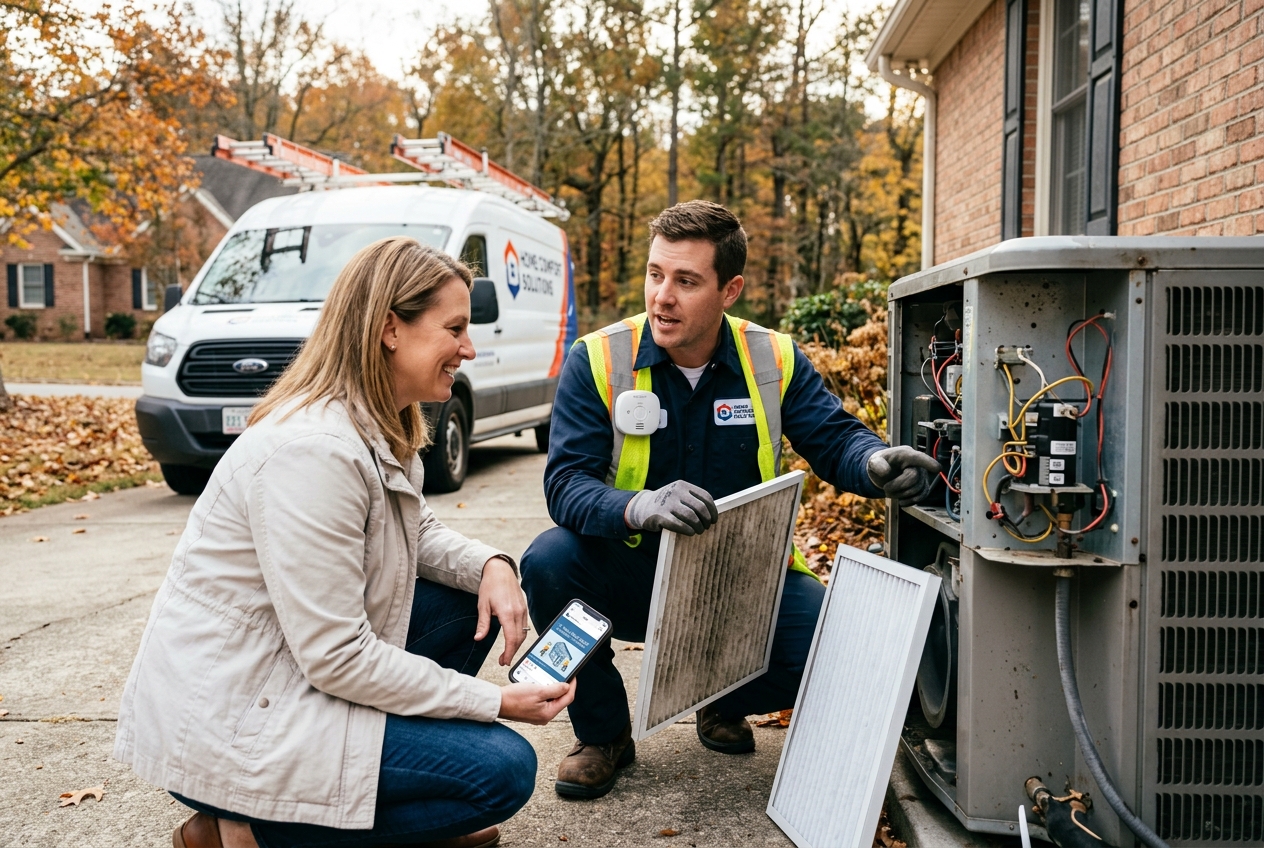
Videos are another powerful tool. Short instructional clips on YouTube — showing something as simple as how to change an air filter — help homeowners feel capable while making them more aware of what they can’t handle alone. That’s when they call you for the bigger stuff: diagnostics, tune-ups, full inspections.

Host regular Q&A sessions on Facebook Live or Instagram Live, where a technician answers common questions about efficiency and safety. These sessions don’t just inform — they show your company is accessible and genuinely invested in helping.

When homeowners feel informed, they seek out services naturally. Faced with an issue, they’ll call the brand that took the time to help them understand it first.

Using Seasonal Content to Keep Engagement High

Consistent engagement is key to the success of any HVAC social campaign. One of the smartest ways to maintain it is by aligning your content with what your audience is already thinking about — and HVAC systems make that easy, because there’s always a season on the horizon.

In winter, homeowners are watching their heating bills climb. That’s your window for content on avoiding heat loss around windows and doors, or the value of smart thermostat settings. The U.S. Department of Energy reports that homeowners can save up to 10% annually on heating and cooling by adjusting the thermostat 7°–10°F for 8 hours a day — a stat that stops scrollers cold.

Spring brings seasonal allergies, which makes it a natural time to talk indoor air quality. Tips on changing filters to reduce pollen indoors, paired with EPA guidance to keep indoor humidity between 30% and 50% to prevent mold, give followers something genuinely useful.

Summer puts air conditioning front and center. Regular AC maintenance can lower energy bills by up to 15%, per the American Council for an Energy-Efficient Economy. Content on cleaning AC units for better airflow or why preventive checks prevent costly repairs gives people a reason to act before the heat hits — not after.

Fall is prep season. Checklists for getting heating systems ready before temperatures drop are incredibly shareable and practical. Add a simple graphic walking through the steps, and you’ve got content people save and return to.

Data-driven, seasonally timed content helps HVAC companies stand out. HubSpot research shows companies that blog receive 55% more website visitors, and mixing educational blog content with quick social tips drives engagement substantially. Forbes data reinforces why it works: 81% of consumers say their buying behavior is influenced by recommendations from friends or trusted experts. When you’re the expert they’ve been learning from all year, you become the natural recommendation.

By tapping into the rhythm of the seasons, HVAC companies can maintain high engagement, build trust, and keep relationships warm — without ever feeling like they’re pushing a sale.

Turning Educational Posts Into Long-Term Brand Loyalty

Most HVAC companies focus their social presence on promotions and service announcements. That’s not wrong — but it’s incomplete. The companies building real loyalty are also showing up as educators. And that shift changes how customers see you entirely.

Studies show 89% of consumers expect brands to share helpful content. For HVAC companies, that might mean explaining how often to change air filters, or what MERV ratings actually mean for air quality in your home.

Blog posts and videos are practical places to start. Answer the questions your technicians hear every day: How do I improve indoor air quality? Is a programmable thermostat worth it? Why does regular maintenance matter? A two-minute video explaining how skipping a tune-up can lead to a $1,200 repair does more to drive bookings than most promotional posts ever will.

Social media amplifies all of it. According to HubSpot, 54% of consumers use social media to research products. Infographics breaking down HVAC system components, or before-and-after visuals from a system tune-up, create informed followers who already value your expertise before they ever call.

Weave in seasonal content — AC prep before summer, heating system checks before the first cold snap. Timely information keeps your brand top of mind when decisions get made.

Interactive content builds the relationship further. A “Question of the Week” series where you address real customer concerns humanizes your brand and keeps the conversation going. The more you engage, the more trust you earn.

Don’t shy away from industry-specific data, either. Sharing that advanced HVAC systems can reduce energy costs by 20–40% gives cost-conscious homeowners a concrete reason to invest — and a reason to call you.

Over time, this approach transforms your online presence from a bulletin board of promotions into a genuine resource. Consumers patronize brands they believe in. When they see you as the company that explains things clearly, answers questions honestly, and shows up every season with something useful, that’s when loyalty forms — and repeat business follows without a hard sell in sight.

Educational content also benefits SEO. Search engines favor websites that consistently offer valuable, informative material. Regular blog posts and active social media improve your rankings, making it easier for new customers to find you — keeping the entire cycle of awareness and trust in motion. If you want to see what that looks like in practice, take a look at some real-world results from businesses that have taken this approach.

Frequently Asked Questions

How can HVAC companies manage seasonal demand shifts?

HVAC companies can manage seasonal demand shifts by building marketing plans around each season’s specific needs. During peak seasons — summer and winter — focus on maintenance and repair services that prevent breakdowns. In the shoulder seasons, spring and fall, run targeted promotions on AC tune-ups and furnace inspections to keep business steady. Educational content about seasonal maintenance tips keeps your brand visible and relevant year-round, so you’re not starting from scratch every time demand spikes.

What marketing strategies generate more HVAC service calls?

A combination of SEO, pay-per-click advertising, social media marketing, and content marketing tends to work best. Local SEO helps you show up when nearby homeowners search for services. PPC puts you at the top of results for high-intent searches. Social media builds ongoing relationships and trust. And educational content marketing — the focus of this entire article — positions your company as the expert people already know and trust when it’s time to call. You can learn more about what a full-service home services marketing strategy looks like and how it applies to your business.

Should HVAC companies invest in streaming or PPC ads?

Both have a place, depending on your goals and budget. PPC is highly effective for capturing customers who are actively searching for HVAC services right now — it’s immediate and geographically targeted. Streaming ads on platforms like YouTube or Spotify build broader brand awareness over time, reaching audiences based on demographics and interests. A balanced approach covers both ends of the buyer journey: introducing your brand to people who don’t know you yet, and converting the ones who are ready to book.

Keeping Growth Cool

Building trust through educational content isn’t a slow burn — it’s a compounding asset. Every useful post, every honest answer, every seasonal checklist adds to a body of work that makes your brand the obvious choice when something goes wrong.

As you think about next steps, focus on building a consistent content schedule across multiple platforms. Use what you learn from audience engagement to sharpen your approach over time. If you’d like help developing a digital marketing strategy tailored to your business goals, reach out for a free consultation with Aginto — and start building the kind of customer relationships that don’t require a hard sell to stick.

Your business is unique. Let’s discuss your specific goals. Schedule a consultation.

Most HVAC Companies Are Posting the Wrong Things

Most HVAC companies are out here posting “Call us for your AC needs!” and wondering why nobody’s calling. The ones winning on social aren’t selling harder — they’re teaching smarter. If you’re looking for HVAC marketing strategies that generate service calls, the real edge isn’t a better promotion. It’s becoming the brand homeowners already trust before something breaks.

Consider how much influence your informative content could wield. Homeowners are eager to learn — and when you give them real insights into energy savings and safety, they’re more likely to turn to your business when service needs come up. You’re not just promoting a service; you’re building something longer-lasting. Here’s how educational content can drive engagement and loyalty in the HVAC industry.

Teaching Homeowners About Efficiency and Safety

Informing homeowners about HVAC efficiency and safety can significantly differentiate your company and generate valuable service calls. Consumers are craving knowledge, especially when it leads to savings or keeps their family safe. By shifting from a sales-first mindset to one of education, HVAC pros can build trust and foster long-lasting customer relationships.

Start with clear, relatable information. Most homeowners have no idea how much their HVAC system affects their energy bills — or their safety. Use social media to share digestible information about the benefits of maintenance and efficiency ratings. Infographics showing how an efficient unit can reduce energy consumption by up to 30%, according to the U.S. Department of Energy, capture attention by connecting system performance directly to dollars saved.

Don’t overlook safety in your campaigns. Carbon monoxide leaks, for instance, are a real and underappreciated danger — the CDC notes that about 50,000 people in the U.S. visit the emergency room each year due to carbon monoxide poisoning. Content that educates your audience on the importance of routine checks, particularly heading into fall and winter, positions your company as a trusted advisor rather than just another vendor.

Interactive content like quizzes can take engagement further. Ask homeowners: “When was your HVAC system last checked for efficiency?” or “Do you know the recommended thermostat settings for summer and winter?” It educates without feeling like a lecture. And when a potential hazard surfaces, suggesting a service call as the next step feels completely natural.

Videos are another powerful tool. Short instructional clips on YouTube — showing something as simple as how to change an air filter — help homeowners feel capable while making them more aware of what they can’t handle alone. That’s when they call you for the bigger stuff: diagnostics, tune-ups, full inspections.

Host regular Q&A sessions on Facebook Live or Instagram Live, where a technician answers common questions about efficiency and safety. These sessions don’t just inform — they show your company is accessible and genuinely invested in helping.

When homeowners feel informed, they seek out services naturally. Faced with an issue, they’ll call the brand that took the time to help them understand it first.

Using Seasonal Content to Keep Engagement High

Consistent engagement is key to the success of any HVAC social campaign. One of the smartest ways to maintain it is by aligning your content with what your audience is already thinking about — and HVAC systems make that easy, because there’s always a season on the horizon.

In winter, homeowners are watching their heating bills climb. That’s your window for content on avoiding heat loss around windows and doors, or the value of smart thermostat settings. The U.S. Department of Energy reports that homeowners can save up to 10% annually on heating and cooling by adjusting the thermostat 7°–10°F for 8 hours a day — a stat that stops scrollers cold.

Spring brings seasonal allergies, which makes it a natural time to talk indoor air quality. Tips on changing filters to reduce pollen indoors, paired with EPA guidance to keep indoor humidity between 30% and 50% to prevent mold, give followers something genuinely useful.

Summer puts air conditioning front and center. Regular AC maintenance can lower energy bills by up to 15%, per the American Council for an Energy-Efficient Economy. Content on cleaning AC units for better airflow or why preventive checks prevent costly repairs gives people a reason to act before the heat hits — not after.

Fall is prep season. Checklists for getting heating systems ready before temperatures drop are incredibly shareable and practical. Add a simple graphic walking through the steps, and you’ve got content people save and return to.

Data-driven, seasonally timed content helps HVAC companies stand out. HubSpot research shows companies that blog receive 55% more website visitors, and mixing educational blog content with quick social tips drives engagement substantially. Forbes data reinforces why it works: 81% of consumers say their buying behavior is influenced by recommendations from friends or trusted experts. When you’re the expert they’ve been learning from all year, you become the natural recommendation.

By tapping into the rhythm of the seasons, HVAC companies can maintain high engagement, build trust, and keep relationships warm — without ever feeling like they’re pushing a sale.

Turning Educational Posts Into Long-Term Brand Loyalty

Most HVAC companies focus their social presence on promotions and service announcements. That’s not wrong — but it’s incomplete. The companies building real loyalty are also showing up as educators. And that shift changes how customers see you entirely.

Studies show 89% of consumers expect brands to share helpful content. For HVAC companies, that might mean explaining how often to change air filters, or what MERV ratings actually mean for air quality in your home.

Blog posts and videos are practical places to start. Answer the questions your technicians hear every day: How do I improve indoor air quality? Is a programmable thermostat worth it? Why does regular maintenance matter? A two-minute video explaining how skipping a tune-up can lead to a $1,200 repair does more to drive bookings than most promotional posts ever will.

Social media amplifies all of it. According to HubSpot, 54% of consumers use social media to research products. Infographics breaking down HVAC system components, or before-and-after visuals from a system tune-up, create informed followers who already value your expertise before they ever call.

Weave in seasonal content — AC prep before summer, heating system checks before the first cold snap. Timely information keeps your brand top of mind when decisions get made.

Interactive content builds the relationship further. A “Question of the Week” series where you address real customer concerns humanizes your brand and keeps the conversation going. The more you engage, the more trust you earn.

Don’t shy away from industry-specific data, either. Sharing that advanced HVAC systems can reduce energy costs by 20–40% gives cost-conscious homeowners a concrete reason to invest — and a reason to call you.

Over time, this approach transforms your online presence from a bulletin board of promotions into a genuine resource. Consumers patronize brands they believe in. When they see you as the company that explains things clearly, answers questions honestly, and shows up every season with something useful, that’s when loyalty forms — and repeat business follows without a hard sell in sight.

Educational content also benefits SEO. Search engines favor websites that consistently offer valuable, informative material. Regular blog posts and active social media improve your rankings, making it easier for new customers to find you — keeping the entire cycle of awareness and trust in motion. If you want to see what that looks like in practice, take a look at some real-world results from businesses that have taken this approach.

Frequently Asked Questions

How can HVAC companies manage seasonal demand shifts?

HVAC companies can manage seasonal demand shifts by building marketing plans around each season’s specific needs. During peak seasons — summer and winter — focus on maintenance and repair services that prevent breakdowns. In the shoulder seasons, spring and fall, run targeted promotions on AC tune-ups and furnace inspections to keep business steady. Educational content about seasonal maintenance tips keeps your brand visible and relevant year-round, so you’re not starting from scratch every time demand spikes.

What marketing strategies generate more HVAC service calls?

A combination of SEO, pay-per-click advertising, social media marketing, and content marketing tends to work best. Local SEO helps you show up when nearby homeowners search for services. PPC puts you at the top of results for high-intent searches. Social media builds ongoing relationships and trust. And educational content marketing — the focus of this entire article — positions your company as the expert people already know and trust when it’s time to call. You can learn more about what a full-service home services marketing strategy looks like and how it applies to your business.

Should HVAC companies invest in streaming or PPC ads?

Both have a place, depending on your goals and budget. PPC is highly effective for capturing customers who are actively searching for HVAC services right now — it’s immediate and geographically targeted. Streaming ads on platforms like YouTube or Spotify build broader brand awareness over time, reaching audiences based on demographics and interests. A balanced approach covers both ends of the buyer journey: introducing your brand to people who don’t know you yet, and converting the ones who are ready to book.

Keeping Growth Cool

Building trust through educational content isn’t a slow burn — it’s a compounding asset. Every useful post, every honest answer, every seasonal checklist adds to a body of work that makes your brand the obvious choice when something goes wrong.

As you think about next steps, focus on building a consistent content schedule across multiple platforms. Use what you learn from audience engagement to sharpen your approach over time. If you’d like help developing a digital marketing strategy tailored to your business goals, reach out for a free consultation with Aginto — and start building the kind of customer relationships that don’t require a hard sell to stick.

Your business is unique. Let’s discuss your specific goals. Schedule a consultation.

Published on April 29, 2026

About the Author: Chris Williams

Founder at Aginto, and an organic marketing specialist, Chris has worked on everything from SEO to social media marketing to conversion optimization. He spends his downtime raising his daughter, volunteering with the Salvation Army, and obsessing over the Ohio State Buckeyes on Twitter. You can follow him here.