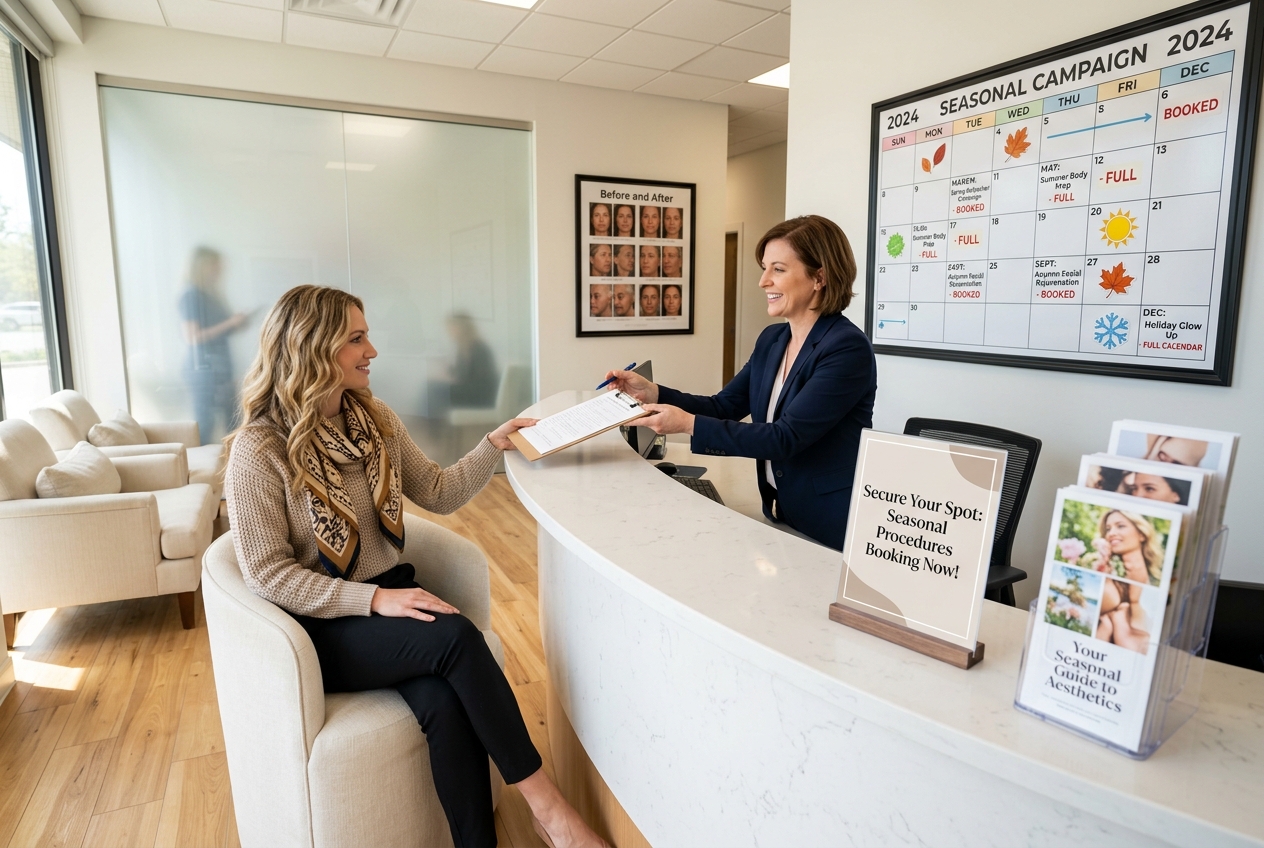

Why do some plastic surgery practices stay booked solid through slow months while others scramble to fill their calendars? Often the difference is timing. Demand for cosmetic procedures rises and falls with the seasons, and the practices that plan around those rhythms capture patients their competitors miss. Seasonal campaigns let you meet people exactly when they are already thinking about a procedure, whether that is sculpting before summer or recovering quietly over the holidays. Building this kind of foresight into your marketing works best with a plan, much like the discipline behind creating a year-round marketing calendar. This article covers how to spot seasonal demand, craft campaigns around holidays and events, and measure whether those promotions actually pay off.
Identifying Procedures With Seasonal Demand
Knowing how to market a plastic surgery practice online starts with understanding that not every procedure sells year-round at the same pace. Patient interest follows predictable patterns tied to weather, recovery time, and life events. Body procedures like liposuction and tummy tucks often see interest build in late winter and early spring as people prepare for summer. Facial treatments and injectables tend to surge before the holiday season, when patients want to look refreshed for gatherings and photos. Recognizing these cycles lets you point your marketing budget where demand is already rising instead of fighting against it.
Search data makes these patterns concrete. A study analyzing Google Trends published in PubMed found that patient interest in Botox and similar treatments peaks in mid-March and bottoms out in mid-September, and that search volume correlates with the number of procedures actually performed. In other words, when people search more, they book more. That gives you a calendar you can plan around rather than guessing.
Mine your own records too. Look back at the past two or three years of bookings and find the months when each procedure spikes or stalls. Your practice may have local quirks, such as a wedding-heavy spring or a snowbird population that arrives in winter. These internal trends are often more reliable than national averages because they reflect your actual patient base and market.
Account for recovery time, which heavily shapes when patients choose to book. Procedures with longer downtime get scheduled for cooler months when patients can hide under layers and take time off work, while quick treatments cluster before major events. Map each of your services to the seasons when patients most want them, then build that map into your promotional planning. When you align your campaigns with the moments patients are naturally ready to act, every marketing dollar reaches a warmer, more motivated audience and your calendar starts to fill itself.
Crafting Campaigns Around Holidays and Events
Effective plastic surgeon advertising strategies that attract patients tie promotions to the holidays and events already on your patients’ minds. A campaign feels relevant when it speaks to a moment the patient is living, like looking their best for a reunion, a beach vacation, or a holiday party. Generic “book now” messaging gets ignored; a message built around an occasion gets attention. This is why seasonality is one of the most useful tools in a cosmetic practice’s marketing kit. As industry data shows, cosmetic surgery volume tends to concentrate in the cooler, less social months, when patients have privacy to recover, a pattern documented in PHIN’s analysis of seasonal cosmetic procedure trends.
Plan your calendar backward from each occasion. Summer-body campaigns should launch in late winter, giving patients time to consult, schedule, and heal before beach season. Holiday refresh promotions for injectables and skincare belong in early fall. New Year campaigns can tap into the fresh-start mindset, while Mother’s Day lends itself to gift-style messaging for treatments and packages. The earlier you launch, the more runway patients have to move through the decision process.
Match the offer to the moment without cheapening your brand. Rather than slashing prices, frame seasonal promotions around value: a complimentary consultation, a bundled treatment package, or limited consultation slots before a busy stretch. For a high-consideration purchase like surgery, scarcity and timeliness work better than discounts that can undercut your positioning as a premium provider.
Run each campaign across the channels your patients use. A summer-body push might combine email to your existing list, targeted social ads with real before-and-after content, and a dedicated landing page that captures consultation requests. Tie the visuals and copy to the season so the message feels cohesive everywhere it appears. Keep your messaging tasteful and outcome-focused rather than pushy. When your campaigns honor both the calendar and your brand, you attract patients at their most ready moment while protecting the premium reputation that brought them to you in the first place.
Measuring ROI on Seasonal Promotions
The smartest path to the best ways to grow cosmetic surgery patient leads is measuring which seasonal campaigns actually produce booked procedures, not just clicks. Without tracking, you are guessing, and guessing is expensive in a field where a single procedure can be worth thousands. Set up measurement before a campaign launches so you can connect spend to results. The reason email belongs in nearly every seasonal push is its return: according to Litmus research on email ROI, marketers commonly see roughly $36 back for every dollar spent, making it one of the most cost-effective ways to promote a timely offer to people who already know you.
Decide what counts as success before you begin. Consultation requests, booked procedures, and revenue per campaign matter far more than likes or impressions. Use tracking links, dedicated landing pages, and call tracking so you know which channel drove each inquiry. A unique phone number or promo code for a summer campaign tells you exactly how many calls it generated, which removes the guesswork from your next budget decision.
Track the full funnel, not just the top. A campaign might generate plenty of clicks but few consultations, or many consultations that fail to convert to surgery. Each gap points to a different fix: weak targeting, an unconvincing landing page, or an intake process that loses warm leads. Watching cost per lead alongside cost per booked procedure shows you where money is working and where it leaks.
Compare campaigns against each other and against the same season last year. Over time, you build a clear picture of which procedures, offers, and channels deliver the strongest return at each point in the calendar. Double down on the winners and quietly retire the underperformers. This discipline turns seasonal marketing from a hopeful gamble into a repeatable system, so each year your campaigns get sharper, your cost per patient drops, and your calendar fills more predictably than it did the year before.
Frequently Asked Questions
How can plastic surgeons attract more patients online?
Combine a fast, trustworthy website with educational content, strong reviews, and timely seasonal campaigns. Show realistic results with patient consent, capture leads through clear consultation offers, and stay visible across search, social, and email. Aligning promotions with seasonal demand reaches patients exactly when they are most ready to book.
What marketing strategies work best for cosmetic surgery practices?
Search optimization, before-and-after storytelling, reputation management, and seasonal email and ad campaigns work best together. Search captures active demand, visuals build trust, and reviews ease hesitation. Layering timed promotions on top lets you smooth out slow months and concentrate marketing spend where patient interest is already climbing.
How do before-and-after photos impact plastic surgery leads?
Before-and-after photos are among the most persuasive content a practice can share, letting prospects picture realistic results for themselves. In seasonal campaigns they make timely offers feel concrete and credible. Always use consistent lighting and angles, pair images with brief patient stories, and secure written consent before publishing any photo.
Building Confidence Ahead
Seasonal campaigns let plastic surgeons meet patients at their most motivated moments, smoothing out slow stretches and keeping the calendar full year-round. By identifying when demand rises, building campaigns around real events, and measuring what actually drives bookings, you turn the calendar into an advantage. If you want a seasonal marketing plan tailored to your practice and your busiest opportunities, contact Aginto for a free consultation and let’s build a strategy that keeps you booked.