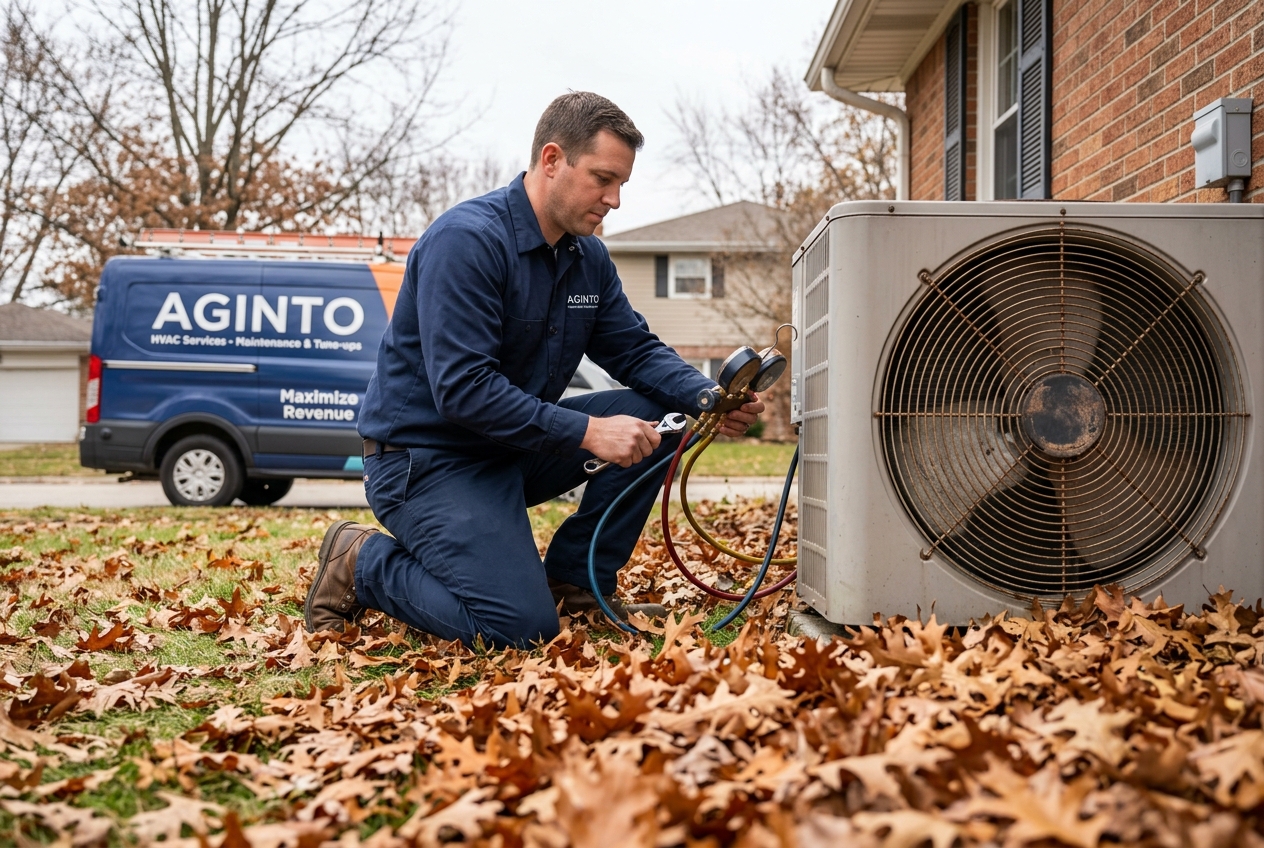

Why do so many HVAC companies watch revenue fall off a cliff the moment temperatures turn mild? The phones go quiet, crews stand around, and owners start cutting marketing right when they should be sharpening it. The slow season feels like something to survive rather than something to profit from. But the homeowners who needed emergency repairs in July still own those systems in October — they’re just searching for different things, like tune-ups, indoor air quality, and ways to lower next month’s bill. Smart pay-per-click advertising lets you stay in front of that demand instead of disappearing until the next heat wave. Aginto’s breakdown of how your HVAC website should change with the weather pairs naturally with a seasonal ad strategy, and together they keep work flowing when competitors go dark.
Targeting Services That Keep Crews Busy
The right HVAC marketing strategies that generate service calls during the off-season start with promoting the work that doesn’t depend on extreme weather. When nobody’s air conditioner is failing in 95-degree heat, you pivot your ad spend toward maintenance agreements, duct cleaning, thermostat upgrades, indoor air quality systems, and pre-season tune-ups. These services carry steady demand year-round and keep technicians productive during the weeks that would otherwise sit empty. The trick is choosing campaigns that match what people actually search for once the urgency of a broken system fades.
Paid search is well suited to this because it puts you in front of people at the exact moment they’re looking. Google reports that businesses earn an average of two dollars in revenue for every dollar spent on its ads, and search campaigns can perform even better when the targeting is tight. During the off-season, that efficiency matters more than ever, because every wasted click eats into a thinner margin.
Strong home services marketing leans on this kind of seasonal pivot. Lead with offers that give a hesitant homeowner a reason to act now rather than wait. A discounted fall tune-up, a maintenance plan that locks in priority service, or a furnace safety inspection ahead of winter all create low-risk entry points. These smaller jobs keep crews working and frequently uncover larger repairs or replacement opportunities down the line, turning a quiet week into future revenue.
Be deliberate about geography and scheduling. Concentrate spend on the neighborhoods and zip codes where your best customers live, and use ad scheduling to run campaigns when those homeowners are most likely to be online — often evenings and weekends. Add negative keywords to filter out searches for DIY fixes or job listings that drain budget without producing calls. Build separate campaigns for each off-season service so you can see clearly which ones bring the strongest return. When your ads promote the work that fits the season and your targeting stays disciplined, the slow months stop draining cash and start producing a predictable flow of bookings that keep your team on the road.
Writing Ad Copy That Appeals During Downtime
Understanding how HVAC companies can reduce seasonal slowdowns means recognizing that off-season buyers think differently than emergency buyers. In peak season, the message is simple: “AC down? We’ll be there fast.” In the slow months, nobody feels that pressure, so your ad copy has to create a reason to care. Instead of urgency, you lean on value, savings, comfort, and peace of mind — the benefits a homeowner can enjoy by acting before the next extreme season arrives.
Sharp copy pays off because relevance drives results. WordStream’s analysis of Google Ads benchmarks across industries shows that home and home-improvement advertisers see meaningful swings in click-through and conversion rates depending on how well the ad matches the searcher’s intent. Off-season, where every click costs real money against a smaller pipeline, copy that speaks directly to the homeowner’s mindset is what separates a profitable campaign from wasted spend.
Effective HVAC marketing matches its tone to the season. Frame your headlines around the homeowner’s goals, not your services. “Cut Your Winter Heating Bill” beats “Furnace Maintenance Available.” “Breathe Easier This Season” outperforms “Duct Cleaning Services.” Specific dollar savings, comfort improvements, and the avoidance of a future breakdown all give a relaxed buyer something concrete to act on. Tie the message to the calendar so it feels timely — “Get Ready Before the First Freeze” plants a reason to book now rather than later.
Reinforce trust in the copy, since off-season shoppers have time to compare. Mention years in business, licensing, satisfaction guarantees, or a strong review count to lower the perceived risk. Use ad extensions to show your phone number, service area, and current promotions right in the ad. Always match the ad to a landing page that delivers exactly what the headline promised, with a clear next step. Test two or three variations of each ad and let the data tell you which message resonates. When the copy meets a calm homeowner where their head actually is — focused on savings and readiness rather than crisis — your slow-season campaigns convert browsers into booked appointments.
Measuring ROI From Seasonal Campaigns
Applying solid SEO and PPC tips for heating and cooling businesses falls apart if you can’t tell what’s actually working. Off-season budgets are tight, so measurement isn’t optional — it’s how you protect every dollar. The goal is to connect ad spend directly to booked jobs and revenue, not just clicks or impressions, so you know which campaigns to scale and which to shut off before they drain your margin.
Start with the foundation that makes measurement possible: tracking. Call tracking matters enormously for HVAC, because most jobs still start with a phone call rather than a form. A BrightLocal study of local search behavior found that 60% of consumers chose to call a business after looking it up on Google, which means untracked calls leave you guessing about which ads actually produce revenue. Assign tracking numbers to your campaigns so every booking traces back to its source.
Define the metrics that actually matter for a service business. Cost per lead and cost per booked job tell you far more than cost per click. Calculate the average value of an off-season customer, including the maintenance plans and follow-up work they generate over time, so you’re measuring lifetime value rather than a single small ticket. A $90 tune-up that turns into a $6,000 replacement next winter changes how you judge a campaign’s worth.
Use the data to act. Connect Google Ads to Google Analytics, watch which keywords and ads produce real appointments, and pause the ones that only burn budget. Shift spend toward the services, neighborhoods, and times of day that convert best. Review results weekly during the off-season rather than monthly, because small budgets leave little room for slow corrections. Track trends year over year, too, so you can anticipate the demand patterns that repeat and plan your spend before the season shifts. When you measure off-season campaigns by the jobs and long-term customers they create, you turn paid advertising from a gamble into a steady, accountable engine that keeps revenue moving even when the weather won’t cooperate.
Frequently Asked Questions
How can HVAC companies manage seasonal demand shifts?
Plan ahead by promoting off-season services like maintenance plans, tune-ups, and indoor air quality work that carry steady demand. Adjust ad budgets and keywords to match what customers search for in each season, offer timely promotions during slow stretches, and nurture existing customers for repeat work and referrals to smooth out the gaps between busy periods.
What marketing strategies generate more HVAC service calls?
Local SEO with an optimized Google Business Profile, genuinely helpful content, and disciplined PPC targeting tend to drive the most calls. Pair location- and time-specific ad targeting with strong reviews and fast response times. Call tracking helps you see which channels actually produce booked jobs so you can invest more in what works.
Should HVAC companies invest in streaming or PPC ads?
Both serve different goals, so a blend often works best. PPC captures homeowners actively searching for service and tends to convert quickly, while streaming ads build awareness with people who don’t yet know your brand. During the off-season, PPC’s intent-based targeting usually delivers more measurable, immediate returns on a tighter budget.
Keeping Growth Cool
The slow season only drains your business if you let it. By targeting the services that keep crews busy, writing copy that speaks to a relaxed homeowner’s priorities, and measuring every campaign against real booked jobs, you can turn your quietest months into a dependable source of revenue. Smart off-season PPC keeps your name in front of demand while competitors go quiet, setting you up to win when the next peak arrives. If you’d like help building seasonal campaigns that actually pay off, reach out to Aginto for a free consultation and let’s map out a plan tailored to your market.