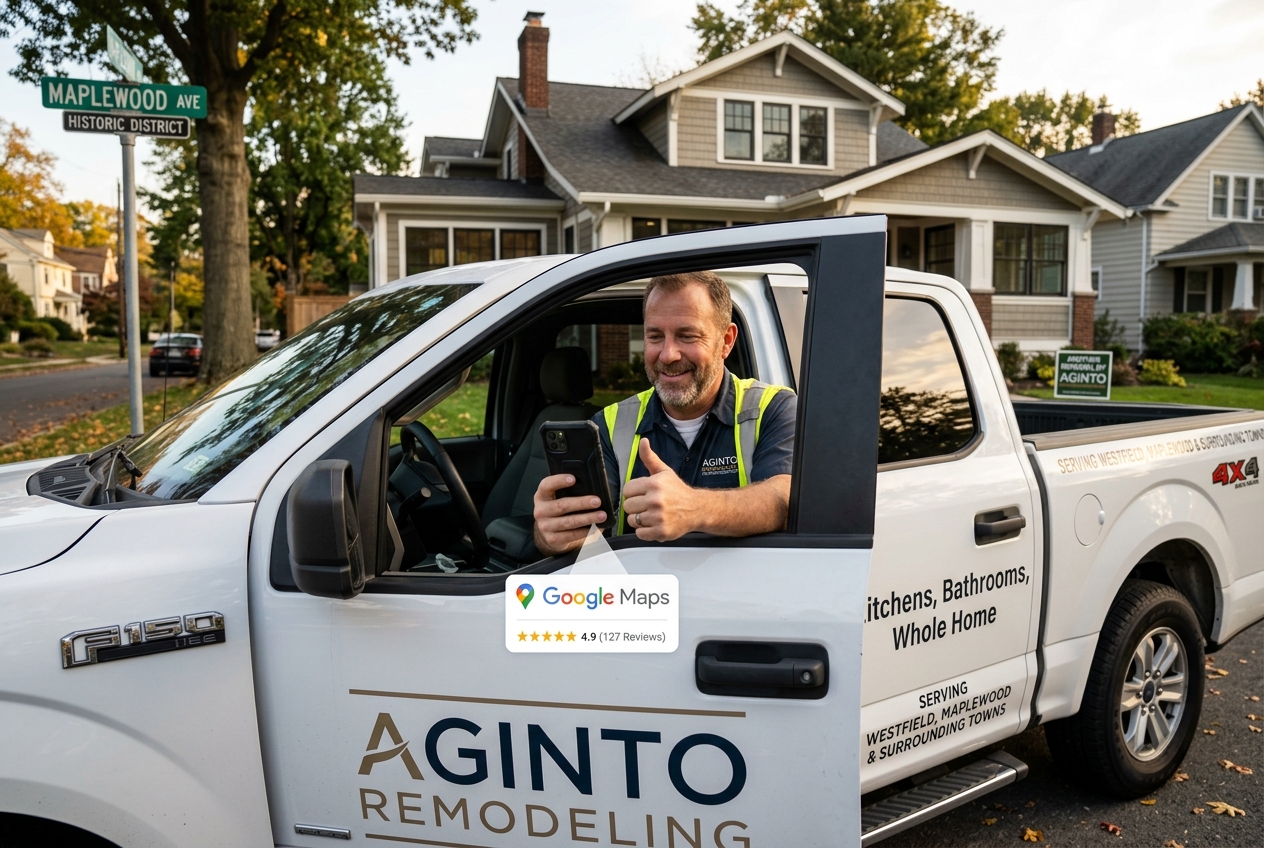

When a homeowner decides to gut their kitchen or add a primary suite, where do they turn first? Almost always to a search engine, typing in their town and the words “remodeling contractor near me.” That single habit is why local SEO remains the foundation of growth for remodeling companies, even as social media and paid ads compete for attention. The remodelers winning steady work are the ones who show up at the top of the map pack and the local results, again and again, in the exact neighborhoods they serve. The lessons from how builders rank in competitive local markets apply directly here. This guide covers neighborhood keywords, service-area content, and reviews, the three pillars that keep a remodeling pipeline full.
Targeting Neighborhood-Specific Keywords
Figuring out how remodeling companies attract new clients begins with the words homeowners actually type when they need work done. Generic terms like “remodeling company” are crowded and expensive to chase. Neighborhood-specific keywords, by contrast, match the way real searches happen and carry far stronger intent. Someone searching “kitchen remodel in Westfield” is closer to hiring than someone browsing “kitchen ideas.” This matters because local intent dominates search. According to BrightLocal’s local search research, a large share of Google queries carry local intent, and consumers add location words to find businesses near them constantly throughout the week.
Start by listing every community you serve, down to the suburb and even the well-known neighborhood. Pair each with your core services: bathroom remodeling, kitchen renovation, basement finishing, whole-home remodels. The combinations become the backbone of your keyword map. Tools like Google Keyword Planner help confirm which phrases get searched, but your own job records are just as valuable. The towns where you already do good work are the towns where more of that work is waiting to be found.
Weave these phrases naturally into page titles, headers, and body copy. A page titled “Kitchen Remodeling in Maplewood” tells both Google and the homeowner exactly what they will find. Avoid stuffing the same phrase a dozen times; it reads badly and search engines have long penalized it. Instead, use natural variations: the town name, nearby landmarks, the county, and the way locals actually describe their area.
Do not forget your Google Business Profile, which is often the first thing a searcher sees. Keep your categories accurate, list your real service areas, and choose primary and secondary categories that match your work. Consistency between your website and your profile reinforces relevance. When your keywords reflect the specific places you serve, you stop competing with every contractor in the state and start winning the homeowners on the streets you already know, which is exactly where remodeling jobs come from.
Building Content Around Service Areas
Strong SEO for remodeling contractor websites depends on giving each area you serve a real page, not a single thin list of towns crammed into the footer. Dedicated service-area pages let you speak directly to homeowners in a specific community, describe the projects you have completed there, and signal to search engines that you genuinely operate in that market. This pays off because local searchers act fast. According to Backlinko’s local SEO research, the majority of people who run a local search on their phone visit a related business within 24 hours, so the contractor who shows up first often gets the call first.
Make each page genuinely useful rather than a copy-paste with the town name swapped out. Search engines easily spot duplicated templates and discount them. Instead, write about the housing styles common in that area, the permitting quirks of that municipality, and the kinds of remodels homeowners there request most. A page for an older historic district might discuss preserving original character; a page for a newer development might focus on modern open-concept conversions.
Add proof of work for every area. Photos of completed projects, short case studies, and a sentence or two about the challenge and the result make a page credible and human. A homeowner who sees a kitchen you remodeled three streets over feels far more confident than one reading generic promises. Local landmarks, neighborhood names, and references to nearby communities reinforce that you truly serve the area.
Round out each page with the practical details that move people to act: a clear invitation to schedule a consultation, your service guarantees, and easy contact options. Internal links to related services and your main remodeling pages help both visitors and search engines navigate. Done consistently, a network of strong service-area pages turns your website into a local authority that ranks across every community you cover, capturing homeowners at the exact moment they decide to start a project.
Leveraging Reviews for Local Rankings
Common questions homeowners ask before remodeling projects almost always include whether a contractor is trustworthy, and reviews are how most people answer that question today. Online reviews do double duty for remodelers: they reassure cautious homeowners and they directly influence local search rankings. Google weighs the quantity, quality, and recency of reviews when deciding which businesses to feature in the map pack. The stakes are high. According to BrightLocal’s 2024 consumer review survey, the vast majority of consumers read online reviews when deciding whether to use a local business, and very few say they never read them at all.
Build a simple, repeatable system for collecting reviews. The best time to ask is right after a successful project wrap, when the homeowner is thrilled with their new space. Make it effortless by sending a direct link to your Google Business Profile in a follow-up text or email. A short personal note from the project manager who ran the job earns far more responses than a cold automated request.
Encourage specifics. A review that mentions a bathroom remodel in a named neighborhood, finished on schedule with great communication, is more persuasive to readers and more useful to search engines than a generic “great job.” Guide happy clients gently by reminding them what kind of detail helps future homeowners decide. Specific, location-rich reviews reinforce exactly the keywords you are trying to rank for.
Respond to every review, positive or negative. Thanking a happy client takes a moment and shows prospects you are engaged. Handling a critical review calmly and professionally often impresses readers more than a wall of perfect scores, because it proves how you treat problems. Consumers are noticeably more likely to choose a business that responds to its reviews. Steady, recent, well-handled reviews compound over time into both higher rankings and a reputation that wins the careful, high-budget remodeling clients you want most.
Frequently Asked Questions
How can remodeling companies dominate local search results?
Focus on neighborhood-specific keywords, dedicated service-area pages, and a steady flow of recent reviews. Keep your Google Business Profile accurate and complete, publish real project photos, and earn local backlinks. Consistency across your website and profile signals genuine local relevance, which is what pushes a remodeler into the top map results.
Do remodeling businesses need to niche down or stay general?
Both can work, but niching often helps SEO. Specializing in kitchens, bathrooms, or historic homes lets you rank for focused, high-intent terms and build a stronger reputation in that lane. General remodelers can still win locally by creating distinct pages for each service rather than blending everything into one vague offering.
What digital tools help remodelers close more deals?
A fast, mobile-friendly website, a complete Google Business Profile, review management software, and a simple CRM to follow up with leads make the biggest difference. Visual tools like photo galleries and project timelines build confidence, while online scheduling and quick response times keep interested homeowners from drifting to a competitor.
Designing What’s Next
Local SEO remains the most reliable engine of growth for remodeling companies because it reaches homeowners at the exact moment they decide to start a project. Neighborhood keywords, genuine service-area content, and a steady stream of reviews work together to keep your phone ringing. If you want a local search strategy built around the communities you serve, contact Aginto for a free consultation and let’s map out a plan that fills your remodeling calendar.