plastic surgeons marketing

Reaching Patients Through Lifestyle Storytelling

Storytelling is quietly becoming one of the most effective tools for figuring out how to market a plastic surgery practice online — and most practices still aren’t using it well. The era of straightforward service promotion is shifting, with a growing emphasis on connecting emotionally with your audience. This is especially true for plastic surgery, where the transformative nature of procedures is ideally suited to narrative. By weaving together compelling stories, practices can resonate more deeply with potential patients — showcasing not just surgical outcomes, but the lifestyles and aspirations those outcomes make possible.

As more people seek meaningful connections with the brands they choose, lifestyle storytelling becomes a vital tool. It’s not just about promoting cosmetic procedures; it’s about presenting them as journeys toward enhanced living. When potential patients are driven by aspirational goals and personal testimonials, communicating through story can be what sets your practice apart. Here’s how to harness that approach to build trust, inspire action, and attract patients who see themselves as part of the transformation.

Reaching patients today requires more than showcasing services — it means connecting through stories that resonate personally. For plastic surgeons, that means crafting narratives that reflect patient aspirations and real lives. Lifestyle storytelling engages potential clients not just by showing surgical outcomes, but by illustrating the full arc of a transformative journey.

A survey by RealSelf found that 49% of individuals considering cosmetic procedures are influenced by stories that connect a procedure to lifestyle improvements. This points to a shift from isolated service promotion toward comprehensive storytelling that paints a picture of enhanced living post-surgery. Successful practices capture this by crafting narratives that speak directly to individual desires for change.

Patient testimonials are one of the most effective ways to do this. These first-hand accounts offer authentic insights into the patient journey — what life looked like before, and what changed after. Sharing them through written content or short video testimonials creates a personal connection that resonates deeply with prospective patients. According to BrightLocal, 91% of consumers trust reviews and testimonials as much as personal recommendations. When those stories align with a potential patient’s own lifestyle goals, trust follows naturally.

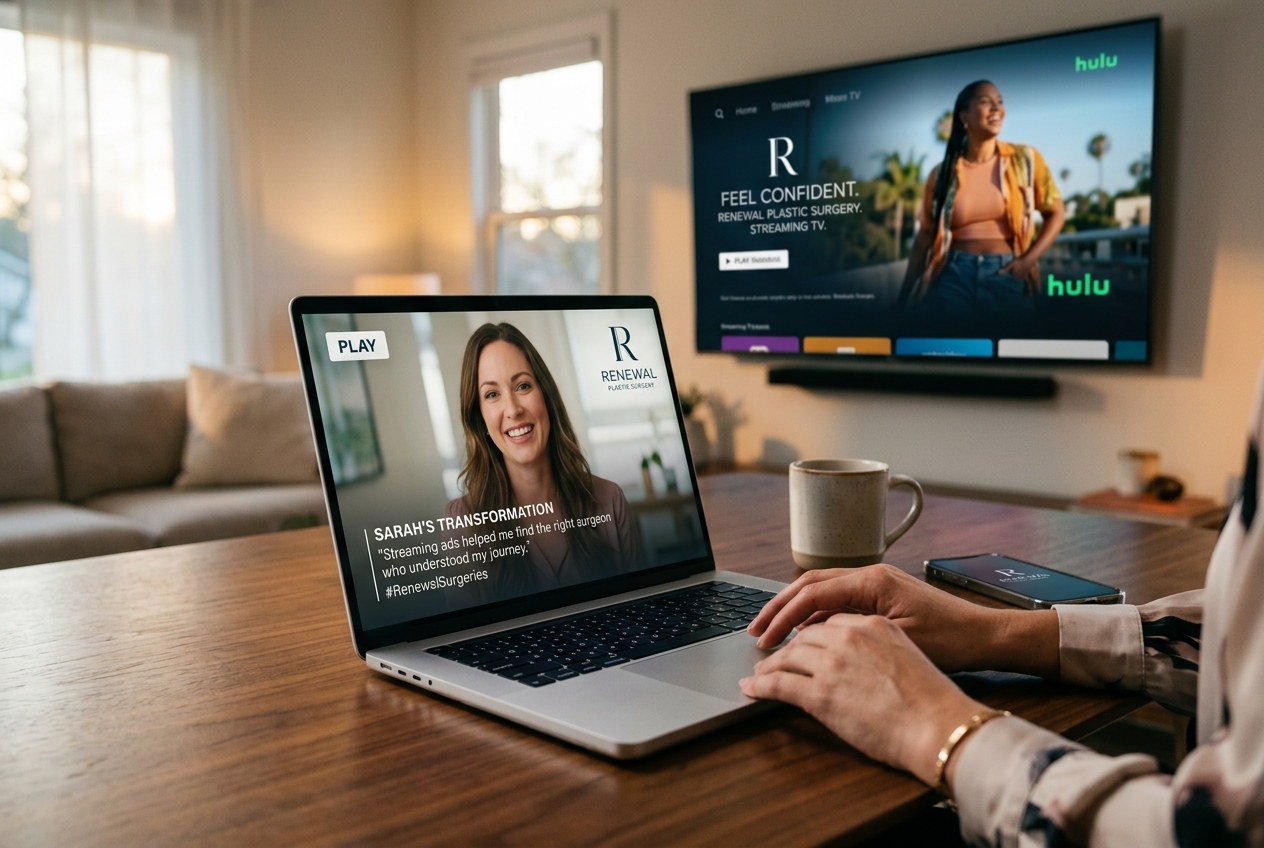
Bringing lifestyle storytelling onto streaming platforms and social media can significantly amplify your reach. Instagram and YouTube are particularly well-suited for visually driven narratives — think short clips that follow a patient from consultation through recovery, conveying transformation in a way a static ad never could. According to Wyzowl, 87% of businesses using video as a marketing tool report a positive return on investment.

You can deepen that connection further by aligning your narratives with broader wellness trends. Many people today are seeking not only physical transformation but psychological well-being. Addressing how certain procedures contribute to boosted confidence or improved mental health speaks to patients on a more profound level than procedure specs ever will.

Weaving educational content into your storytelling adds another layer of engagement. Informative narratives that explain the science and safety behind procedures build confidence while still capturing the aspirational dimension of personal growth. A 2022 Pew Research Center study found that educational content online garners higher trust levels — and informed patients are more likely to move forward when they understand the full process and what to expect.

Effective lifestyle storytelling ultimately differentiates practices in a crowded market. It’s about building a narrative that aligns with patient values, encouraging them to picture themselves as part of the success story — and staying connected long after the first appointment.

Positioning Cosmetic Procedures as Aspirational

Positioning cosmetic procedures as aspirational means crafting messages that speak to what potential clients actually want — not just what they need. This shifts the conversation from necessity to enhancement, presenting your services as pathways to a better version of oneself. In a competitive market, emotional resonance often matters more than a list of credentials.

Real patient stories are one of the most direct ways to bridge that gap. A testimonial focused on regaining confidence after a procedure — rather than just documenting clinical results — connects service to aspiration in a way that sticks. According to BrightLocal, 91% of consumers read online reviews for local businesses, which means prospective patients are actively looking for those authentic narratives and before-and-after visuals.

Streaming TV ads are another powerful vehicle for this kind of positioning. A report by Nielsen found that streaming services reached nearly 142 million U.S. adults every month — and the targeting capabilities that come with those platforms let you place your message directly in front of the right audience, filtered by age, interests, and viewing habits. That precision means you’re speaking to people already inclined to appreciate the benefits of aesthetic enhancement, not broadcasting into the void.

Visual storytelling matters here too. The American Society of Plastic Surgeons notes that visuals in advertising significantly influence clients’ perceptions of the value and desirability of cosmetic procedures. Imagery centered around themes like self-esteem, personal growth, and lifestyle improvement creates a narrative that makes the procedure feel like a goal worth pursuing — not just a service to consider.

Educational content earns its place in this strategy as well. Demystifying procedures — explaining techniques, recovery timelines, and realistic outcomes — reduces anxiety while reinforcing the aspirational angle. When patients feel informed, the idea of transformation feels more achievable, not more intimidating.

Influencer partnerships can extend that aspirational message further. A survey by Edison Research found that 82% of consumers trust social media influencers for advice on products or services. The right collaborator can make procedures feel approachable and desirable rather than clinical or intimidating.

Ultimately, understanding what drives your potential patients — what they want to feel, achieve, or reclaim — should shape every marketing decision. Personalization and emotional engagement are increasingly what move people from curiosity to consultation. To see how other practices have put these principles to work, explore our case studies.

Analyzing Patient Acquisition Costs From Streaming

Before looking at the numbers, it helps to understand what streaming TV ads actually bring to the table. Platforms like Hulu, Netflix, and Disney+ have fundamentally changed how audiences consume media, pulling viewers away from traditional TV at a steady pace. According to Nielsen, streaming accounted for more than 28% of total TV usage in U.S. households as of June 2022. That’s a significant pool of potential patients that traditional advertising simply won’t reach.

The key metric to track here is Cost Per Acquisition — CPA. Simply put, it tells you how much you’re spending to gain each new patient. Calculate it by dividing total campaign spend by the number of patients acquired, and make sure you’re including production costs, ad spend, and any analytics tools in that figure.

Streaming platforms give you detailed analytics that make this calculation far more useful than a rough estimate. If data shows that women aged 30–45 in urban markets have higher engagement and conversion rates, you can shift budget accordingly rather than spreading spend evenly across a broad audience. According to eMarketer, that kind of targeted advertising not only improves effectiveness but can actively reduce costs by focusing on segments most likely to convert.

Creative quality matters just as much as targeting. A well-produced patient transformation story or testimonial video can create a lasting impression — the kind that makes a viewer remember your practice when they’re finally ready to book a consultation. HubSpot research found that using video in advertising increases conversion rates by up to 80%, which makes a compelling case for investing in the content itself, not just the placement.

It’s also worth accounting for brand recognition as part of the return. When potential patients consistently see your practice in their streaming queue, familiarity builds — and familiarity builds trust. A report by McKinsey & Company confirms that consistent advertising directly correlates with increased customer loyalty and long-term growth. Not every impression converts immediately, but that doesn’t mean it isn’t working.

Budget flexibility helps too. Testing different ad lengths, placements, and calls to action lets you learn what actually moves the needle for your specific audience. Real-time analytics within streaming platforms make it possible to adjust campaigns as they run, keeping spend efficient rather than locking you into a strategy that isn’t performing.

As the patient landscape continues to evolve, streaming ads are becoming less of an experiment and more of a core channel — especially for practices looking to stay ahead of competitors who haven’t yet caught up.


How can plastic surgeons attract more patients online?

Plastic surgeons can attract more patients online through a combination of targeted digital strategies. These include optimizing their website for search engines to improve visibility, using social media to engage with potential patients, and maintaining an informative, visually compelling website that clearly showcases expertise and services. Patient reviews, referrals, and targeted advertising through Google Ads or social media can broaden reach further. Consistently publishing high-quality content — procedure explainers, patient stories, educational blog posts — also helps position the practice as a credible authority in the field.

What marketing strategies work best for cosmetic surgery practices?

The most effective strategies combine SEO for long-term visibility, pay-per-click advertising for immediate reach, and social media marketing for ongoing engagement. Email campaigns targeting both past and prospective patients with relevant content and promotions help sustain interest over time. Video content — whether procedure walkthroughs or patient testimonials — adds credibility and drives engagement. Hosting webinars or informational events creates opportunities for personalized interaction that builds genuine trust.

How do before-and-after photos impact plastic surgery leads?

Before-and-after photos are among the most persuasive tools available to plastic surgeons. They provide concrete evidence of skill and results, help set realistic expectations, and often serve as the deciding factor for patients comparing providers. Used across a practice’s website, social media, and digital ads, they build trust and consistently convert interest into consultations.


Building Confidence Ahead

A strong lifestyle storytelling strategy can set your practice apart — not by shouting louder, but by connecting more authentically. Sharing real narratives, aligning your message with what patients actually aspire to, and choosing the right channels to tell those stories all work together to build the kind of trust that turns browsers into patients.

Streaming platforms offer real-time data to fine-tune those efforts and bring acquisition costs down over time. Social media keeps the conversation ongoing. And cohesive testimonials give prospective patients a reason to believe.

If you’re ready to explore how these strategies can work for your specific practice, reach out to Aginto for a complimentary consultation. Together, we can identify the right approach for your goals — and the patients you’re best positioned to serve.

Your practice is unique. Let’s discuss your specific goals.
Schedule a consultation.

Reaching Patients Through Lifestyle Storytelling

Storytelling is quietly becoming one of the most effective tools for figuring out how to market a plastic surgery practice online — and most practices still aren’t using it well. The era of straightforward service promotion is shifting, with a growing emphasis on connecting emotionally with your audience. This is especially true for plastic surgery, where the transformative nature of procedures is ideally suited to narrative. By weaving together compelling stories, practices can resonate more deeply with potential patients — showcasing not just surgical outcomes, but the lifestyles and aspirations those outcomes make possible.

As more people seek meaningful connections with the brands they choose, lifestyle storytelling becomes a vital tool. It’s not just about promoting cosmetic procedures; it’s about presenting them as journeys toward enhanced living. When potential patients are driven by aspirational goals and personal testimonials, communicating through story can be what sets your practice apart. Here’s how to harness that approach to build trust, inspire action, and attract patients who see themselves as part of the transformation.

Reaching patients today requires more than showcasing services — it means connecting through stories that resonate personally. For plastic surgeons, that means crafting narratives that reflect patient aspirations and real lives. Lifestyle storytelling engages potential clients not just by showing surgical outcomes, but by illustrating the full arc of a transformative journey.

A survey by RealSelf found that 49% of individuals considering cosmetic procedures are influenced by stories that connect a procedure to lifestyle improvements. This points to a shift from isolated service promotion toward comprehensive storytelling that paints a picture of enhanced living post-surgery. Successful practices capture this by crafting narratives that speak directly to individual desires for change.

Patient testimonials are one of the most effective ways to do this. These first-hand accounts offer authentic insights into the patient journey — what life looked like before, and what changed after. Sharing them through written content or short video testimonials creates a personal connection that resonates deeply with prospective patients. According to BrightLocal, 91% of consumers trust reviews and testimonials as much as personal recommendations. When those stories align with a potential patient’s own lifestyle goals, trust follows naturally.

Bringing lifestyle storytelling onto streaming platforms and social media can significantly amplify your reach. Instagram and YouTube are particularly well-suited for visually driven narratives — think short clips that follow a patient from consultation through recovery, conveying transformation in a way a static ad never could. According to Wyzowl, 87% of businesses using video as a marketing tool report a positive return on investment.

You can deepen that connection further by aligning your narratives with broader wellness trends. Many people today are seeking not only physical transformation but psychological well-being. Addressing how certain procedures contribute to boosted confidence or improved mental health speaks to patients on a more profound level than procedure specs ever will.

Weaving educational content into your storytelling adds another layer of engagement. Informative narratives that explain the science and safety behind procedures build confidence while still capturing the aspirational dimension of personal growth. A 2022 Pew Research Center study found that educational content online garners higher trust levels — and informed patients are more likely to move forward when they understand the full process and what to expect.

Effective lifestyle storytelling ultimately differentiates practices in a crowded market. It’s about building a narrative that aligns with patient values, encouraging them to picture themselves as part of the success story — and staying connected long after the first appointment.

Positioning Cosmetic Procedures as Aspirational

Positioning cosmetic procedures as aspirational means crafting messages that speak to what potential clients actually want — not just what they need. This shifts the conversation from necessity to enhancement, presenting your services as pathways to a better version of oneself. In a competitive market, emotional resonance often matters more than a list of credentials.

Real patient stories are one of the most direct ways to bridge that gap. A testimonial focused on regaining confidence after a procedure — rather than just documenting clinical results — connects service to aspiration in a way that sticks. According to BrightLocal, 91% of consumers read online reviews for local businesses, which means prospective patients are actively looking for those authentic narratives and before-and-after visuals.

Streaming TV ads are another powerful vehicle for this kind of positioning. A report by Nielsen found that streaming services reached nearly 142 million U.S. adults every month — and the targeting capabilities that come with those platforms let you place your message directly in front of the right audience, filtered by age, interests, and viewing habits. That precision means you’re speaking to people already inclined to appreciate the benefits of aesthetic enhancement, not broadcasting into the void.

Visual storytelling matters here too. The American Society of Plastic Surgeons notes that visuals in advertising significantly influence clients’ perceptions of the value and desirability of cosmetic procedures. Imagery centered around themes like self-esteem, personal growth, and lifestyle improvement creates a narrative that makes the procedure feel like a goal worth pursuing — not just a service to consider.

Educational content earns its place in this strategy as well. Demystifying procedures — explaining techniques, recovery timelines, and realistic outcomes — reduces anxiety while reinforcing the aspirational angle. When patients feel informed, the idea of transformation feels more achievable, not more intimidating.

Influencer partnerships can extend that aspirational message further. A survey by Edison Research found that 82% of consumers trust social media influencers for advice on products or services. The right collaborator can make procedures feel approachable and desirable rather than clinical or intimidating.

Ultimately, understanding what drives your potential patients — what they want to feel, achieve, or reclaim — should shape every marketing decision. Personalization and emotional engagement are increasingly what move people from curiosity to consultation. To see how other practices have put these principles to work, explore our case studies.

Analyzing Patient Acquisition Costs From Streaming

Before looking at the numbers, it helps to understand what streaming TV ads actually bring to the table. Platforms like Hulu, Netflix, and Disney+ have fundamentally changed how audiences consume media, pulling viewers away from traditional TV at a steady pace. According to Nielsen, streaming accounted for more than 28% of total TV usage in U.S. households as of June 2022. That’s a significant pool of potential patients that traditional advertising simply won’t reach.

The key metric to track here is Cost Per Acquisition — CPA. Simply put, it tells you how much you’re spending to gain each new patient. Calculate it by dividing total campaign spend by the number of patients acquired, and make sure you’re including production costs, ad spend, and any analytics tools in that figure.

Streaming platforms give you detailed analytics that make this calculation far more useful than a rough estimate. If data shows that women aged 30–45 in urban markets have higher engagement and conversion rates, you can shift budget accordingly rather than spreading spend evenly across a broad audience. According to eMarketer, that kind of targeted advertising not only improves effectiveness but can actively reduce costs by focusing on segments most likely to convert.

Creative quality matters just as much as targeting. A well-produced patient transformation story or testimonial video can create a lasting impression — the kind that makes a viewer remember your practice when they’re finally ready to book a consultation. HubSpot research found that using video in advertising increases conversion rates by up to 80%, which makes a compelling case for investing in the content itself, not just the placement.

It’s also worth accounting for brand recognition as part of the return. When potential patients consistently see your practice in their streaming queue, familiarity builds — and familiarity builds trust. A report by McKinsey & Company confirms that consistent advertising directly correlates with increased customer loyalty and long-term growth. Not every impression converts immediately, but that doesn’t mean it isn’t working.

Budget flexibility helps too. Testing different ad lengths, placements, and calls to action lets you learn what actually moves the needle for your specific audience. Real-time analytics within streaming platforms make it possible to adjust campaigns as they run, keeping spend efficient rather than locking you into a strategy that isn’t performing.

As the patient landscape continues to evolve, streaming ads are becoming less of an experiment and more of a core channel — especially for practices looking to stay ahead of competitors who haven’t yet caught up.


How can plastic surgeons attract more patients online?

Plastic surgeons can attract more patients online through a combination of targeted digital strategies. These include optimizing their website for search engines to improve visibility, using social media to engage with potential patients, and maintaining an informative, visually compelling website that clearly showcases expertise and services. Patient reviews, referrals, and targeted advertising through Google Ads or social media can broaden reach further. Consistently publishing high-quality content — procedure explainers, patient stories, educational blog posts — also helps position the practice as a credible authority in the field.

What marketing strategies work best for cosmetic surgery practices?

The most effective strategies combine SEO for long-term visibility, pay-per-click advertising for immediate reach, and social media marketing for ongoing engagement. Email campaigns targeting both past and prospective patients with relevant content and promotions help sustain interest over time. Video content — whether procedure walkthroughs or patient testimonials — adds credibility and drives engagement. Hosting webinars or informational events creates opportunities for personalized interaction that builds genuine trust.

How do before-and-after photos impact plastic surgery leads?

Before-and-after photos are among the most persuasive tools available to plastic surgeons. They provide concrete evidence of skill and results, help set realistic expectations, and often serve as the deciding factor for patients comparing providers. Used across a practice’s website, social media, and digital ads, they build trust and consistently convert interest into consultations.


Building Confidence Ahead

A strong lifestyle storytelling strategy can set your practice apart — not by shouting louder, but by connecting more authentically. Sharing real narratives, aligning your message with what patients actually aspire to, and choosing the right channels to tell those stories all work together to build the kind of trust that turns browsers into patients.

Streaming platforms offer real-time data to fine-tune those efforts and bring acquisition costs down over time. Social media keeps the conversation ongoing. And cohesive testimonials give prospective patients a reason to believe.

If you’re ready to explore how these strategies can work for your specific practice, reach out to Aginto for a complimentary consultation. Together, we can identify the right approach for your goals — and the patients you’re best positioned to serve.

Your practice is unique. Let’s discuss your specific goals.
Schedule a consultation.

Published on April 14, 2026

About the Author: Chris Williams

Founder at Aginto, and an organic marketing specialist, Chris has worked on everything from SEO to social media marketing to conversion optimization. He spends his downtime raising his daughter, volunteering with the Salvation Army, and obsessing over the Ohio State Buckeyes on Twitter. You can follow him here.