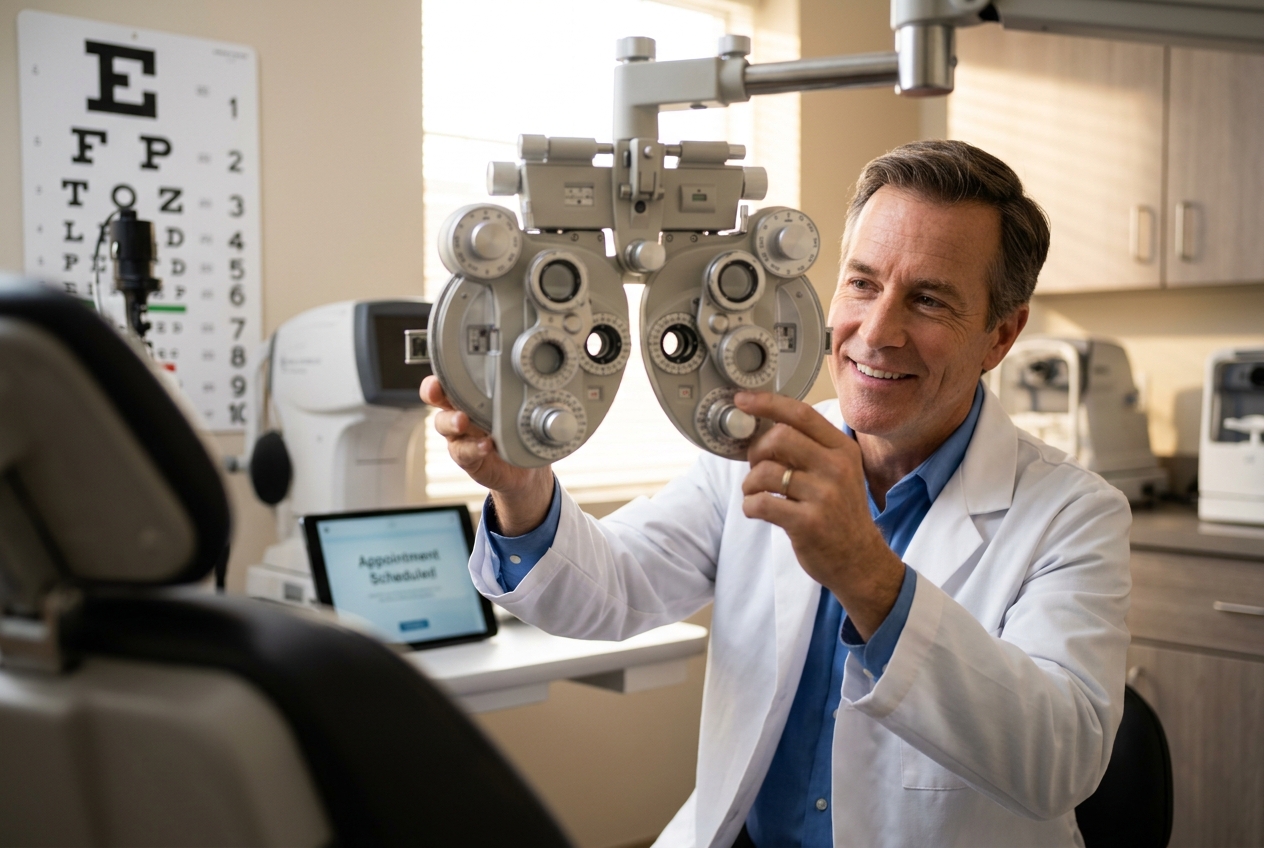

What happens to all the patients who walked through your door last year and never came back? For most optometry practices, that quiet drift of one-time visitors is the single biggest leak in the business. Patient recall campaigns plug that leak by reminding people it is time for another eye exam, before they forget about you entirely. Done well, recall turns a database of past patients into a steady stream of booked chairs. It also supports the broader goal of attracting and keeping patients without constantly paying for brand-new leads. In this article, we break down how to automate reminders, personalize your messaging, and track which campaigns actually bring people back so you can grow visits and revenue with the patients you already have.
Automating Appointment Reminders
Knowing how optometrists attract new patients matters, but keeping current ones is cheaper and faster, and automated reminders are where recall starts. Manual phone calls and sticky notes do not scale. An automated system sends a text, email, or voice message at the right moment, then follows up if there is no response, all without a staff member babysitting the calendar. This kind of automation sits at the heart of effective healthcare marketing, where keeping schedules full directly protects revenue. The stakes are real: missed appointments cost the U.S. healthcare system an estimated $150 billion a year, and reminder systems are one of the most reliable ways to claw that revenue back, as research on automated reminders shows. Texts in particular get read fast, roughly 90% within three minutes, which is why a short SMS often beats a voicemail nobody checks.
The trick is timing the cadence so it feels helpful, not naggy. A good recall flow starts about a year after the last comprehensive exam, since most patients are due annually. Send the first reminder a few weeks before the recommended date, give people a simple way to book with one tap, then follow up once or twice if they do not respond. If a patient still does not schedule, drop them into a slower “lapsed patient” track that checks in every few months rather than every few days.
Let the system do the heavy lifting on logistics. Sync reminders with your practice management software so the moment someone books, the automated sequence stops and nobody gets a “you are overdue” text the day after their visit. Offer a choice of channels, because some patients ignore email but answer texts instantly, while others prefer a phone call. Build in easy rescheduling links so a “not right now” becomes “next Tuesday” instead of a lost appointment. Confirm the booking, then send a pre-visit reminder 24 to 48 hours out to cut no-shows further. Automation removes the busywork, but the goal is human: making it effortless for a patient to keep their eye health on track and keep your schedule full week after week.
Personalizing Messaging for Patient Segments
The best marketing strategies for eye care practices treat patients as individuals, not one undifferentiated list, and recall is no exception. A reminder that speaks to a 25-year-old contact lens wearer should not read the same as one going to a 68-year-old managing early cataracts. Segmenting your database by age, last service, eyewear type, and clinical needs lets you write messages that actually land. The payoff is measurable: segmented email campaigns generate about 30% more opens and 50% more clicks than generic blasts, according to Mailchimp’s segmentation data. More opens and clicks mean more booked exams from the same contact list.
Start with a few obvious segments. Contact lens patients can get reminders tied to their supply running low, since a “time to reorder and recheck your fit” message arrives exactly when it is useful. Families benefit from grouped reminders that let a parent schedule back-to-school eye exams for the kids in one go. Patients with a history of dry eye, glaucoma monitoring, or diabetic retinopathy screening should hear language that acknowledges their specific condition and the importance of staying on schedule. Older patients may respond better to a slightly more formal, reassuring tone, while younger patients react to short, casual texts. The same segmentation logic that drives recurring visits in recall-driven practices like dental offices applies directly to eye care, where annual exams follow a predictable rhythm.
Personalization goes beyond the first name in the greeting. Reference the patient’s last visit, their doctor by name, and the service they are due for. Mention the frames or lens brand they bought if you are nudging an upgrade. Tie in seasonal hooks, such as UV protection reminders before summer or flexible spending account deadlines before year-end, so the message feels timely. Keep each one short, lead with the action you want, and include a one-click booking link. The aim is for every patient to feel like the reminder was written for them specifically, because in a way it was. That sense of being seen is what turns a routine recall into a relationship, and a relationship into repeat visits year after year.
Tracking Return Visits Through Campaign Analytics
Among the questions patients ask when choosing an optometrist, “do they actually care if I come back?” is one you answer through follow-through, and analytics is how you prove your recall is working. Sending reminders without tracking results is guessing. You need to know which messages drive bookings, which segments respond, and how many lapsed patients you reactivate each month. Reputation feeds this loop too: 98% of consumers at least occasionally read online reviews for local businesses, per BrightLocal’s consumer review survey, so a recall campaign that also prompts happy returning patients to review you compounds its value by attracting new ones.
Set up tracking around a handful of metrics that map to revenue. Watch your recall response rate, the percentage of reminded patients who book within a set window. Track reactivation rate, meaning lapsed patients who return after a campaign. Monitor channel performance so you can see whether text, email, or voice drives the most bookings, then shift budget and effort toward the winners. Tie bookings back to specific campaigns using unique links or scheduling codes so you know which message earned the appointment, not just that an appointment happened.
Use what you learn to refine constantly. If your one-year reminder converts well but your lapsed-patient sequence stalls, test a new offer or subject line for that group. If younger patients ignore email, move them fully to SMS. Connect your scheduling data to a simple dashboard so the front desk and the owner can see, at a glance, how many chairs recall filled this month and what it returned against its cost. Over time, this turns recall from a vague good idea into a predictable growth engine. You stop wondering whether the campaigns work and start knowing, down to the appointment, exactly how many repeat visits your messaging brings back through the door.
Frequently Asked Questions
How can optometrists attract new patients?
Combine a strong Google Business Profile, local SEO, and steady reviews with targeted ads aimed at nearby searchers. Showcase frames and services with sharp visuals, make online booking effortless, and ask satisfied patients to refer friends. Consistency across these channels builds the visibility that brings new patients in.
What marketing strategies help eye care practices grow?
Growth comes from balancing acquisition and retention. Use local search optimization and paid ads to win new patients, then lean on recall campaigns, email, and reactivation flows to keep current ones returning. Personalized messaging, online scheduling, and reputation management work together to fill chairs and lift lifetime patient value.
How important are online reviews for eye doctors?
Very important. Nearly all consumers read reviews before choosing a local business, and star ratings heavily influence which optometrist they call. Reviews build trust before a patient ever visits, improve local search rankings, and reassure people weighing your practice against competitors. Earning and responding to them is a core growth task.
Sharper Vision Forward
Patient recall is one of the most cost-effective ways to grow an optometry practice, because it works the patients you have already earned. Automate your reminders, personalize the message to each segment, and track which campaigns bring people back so you can do more of what works. Aginto helps eye care practices build recall systems and digital strategies that turn one-time visitors into loyal, returning patients. Ready to fill more chairs with the patients already in your database? Contact Aginto for a free consultation and let us map out a recall plan built around your practice’s goals.