
What if the simplest way to fill your HVAC schedule next season was a free checklist you give away today? It sounds backward — handing out advice for nothing — but seasonal maintenance checklists are one of the most reliable ways heating and cooling companies build trust, climb search rankings, and turn casual website visitors into booked service calls. Homeowners genuinely want to know how to keep their systems running, but most have no idea what to do or when. A clear, seasonal guide answers that question and quietly positions your company as the expert they call when a task is over their head. This article explains why publishing seasonal checklists works so well, and how to turn them into a steady stream of leads, building on proven seasonal SEO strategies for HVAC websites.
Educating Homeowners on Maintenance Needs
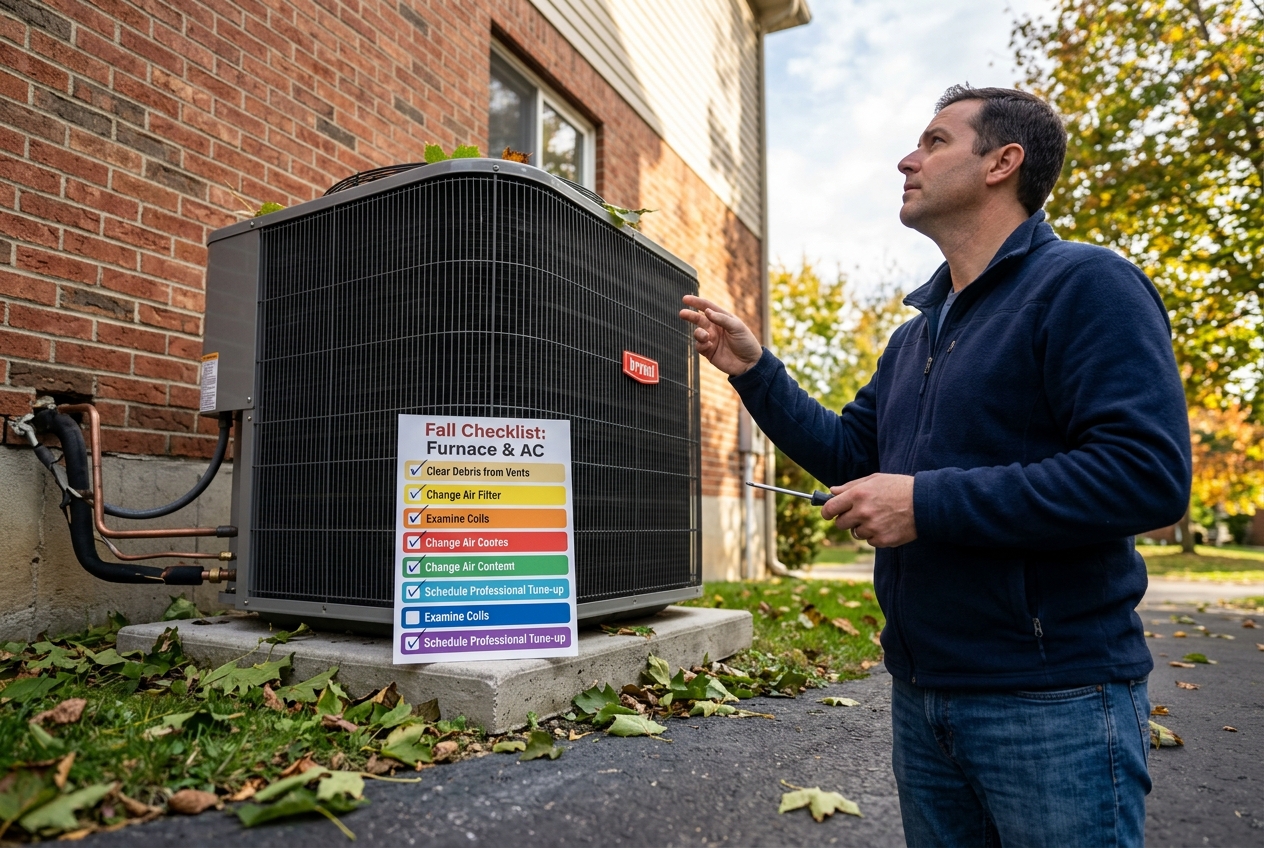
Most homeowners ignore their HVAC system until it fails, which is exactly the gap good home services marketing can fill. The strongest HVAC marketing strategies that generate service calls start with education, because an informed homeowner is far more likely to schedule preventive work than someone who only thinks about their furnace when it stops blowing heat. A seasonal checklist — change the filter, clear debris from the outdoor unit, test the thermostat, schedule a professional tune-up — gives people a simple roadmap and shows them that small actions prevent expensive breakdowns.
The need is real and measurable. According to a report covered by ACHR News, roughly half of homeowners surveyed planned to skip HVAC maintenance, often because they did not understand its value or were unsure what was even involved. That hesitation is an opening. A checklist that clearly explains why a fall furnace inspection matters, or how a dirty coil drives up energy bills, reframes maintenance from an optional expense into a smart, money-saving habit.
Education also defuses the fear that makes people avoid contractors. When a homeowner understands what a tune-up includes and why it matters, the service feels transparent rather than like a sales trap. Your checklist can spell out which tasks are safe to do themselves — swapping a filter, keeping plants trimmed back from the condenser — and which ones genuinely require a licensed technician. That honesty builds credibility. You are not trying to upsell everything; you are helping them protect a major investment.
Timing matters too. A spring checklist arriving in March prepares homeowners for cooling season before the first heat wave overwhelms your phone lines. A fall checklist in September nudges them to book a furnace check before the rush. By educating people at the right moment, you smooth out the feast-or-famine cycle that plagues so many HVAC businesses. Instead of scrambling during peaks and going quiet during shoulder seasons, you keep a steady flow of work moving. The homeowner gets a comfortable, efficient home; you get a calendar that stays full because you taught people to act before something breaks rather than after.
Building Authority Through Helpful Content
Authority is earned by being useful, and that is the heart of every smart approach to how HVAC companies can reduce seasonal slowdowns. When your company consistently publishes clear, genuinely helpful content, search engines and homeowners alike start treating you as a trusted source. A library of seasonal checklists, maintenance guides, and plain-language explainers signals expertise far more convincingly than a page of marketing slogans. People remember the company that taught them something, and they call the company they remember.
Content is also a proven engine for visibility. According to content marketing research compiled by Taboola, content marketing generates roughly three times more leads than traditional outbound methods while costing significantly less. For a local HVAC business, that means a well-organized set of seasonal guides can quietly outperform expensive ad campaigns over time, drawing in homeowners who are actively searching for answers and ready to act when something is beyond them.
Helpful content compounds. Each checklist you publish becomes a permanent page that can rank in search, get shared, and pull in traffic for years. A “Fall HVAC Maintenance Checklist” written once keeps attracting homeowners every autumn. Link your guides together — your fall checklist can point to your article on furnace efficiency, which points to your thermostat guide — and you create a web of resources that keeps visitors on your site longer and deepens their trust with every click.
Authority also protects you from price competition. When a homeowner sees your company as the knowledgeable local expert, they are less likely to shop purely on price and more likely to value your judgment. The checklist that taught them how to spot a failing capacitor or why refrigerant levels matter makes your eventual recommendation feel credible rather than self-serving. That credibility is hard for a cut-rate competitor to match. Keep the tone practical and the advice real — readers can tell the difference between content written to help and content written to sell. The more you genuinely teach, the more your name becomes shorthand in your service area for “the HVAC company that actually knows what they’re doing,” and that reputation is the foundation everything else is built on.
Driving Leads From Downloadable Guides
A checklist becomes a lead-generation tool the moment you make it downloadable, and combining it with smart SEO and PPC tips for heating and cooling businesses turns helpful content into measurable growth. Offer your seasonal guide as a free PDF in exchange for an email address, and every download becomes a contact you can nurture. The homeowner gets a handy reference; you get permission to stay in touch with someone who just told you they care about maintaining their system. That is a warm lead by any definition.
The math favors this approach. Companies that blog and publish content generate far more leads than those that do not, and gated guides convert that traffic into named prospects. Once someone downloads your fall checklist, a short follow-up email offering a discounted tune-up arrives at exactly the right moment. According to research from Boston University’s Chobanian and Avedisian School of Medicine on consumer behavior, people act far more readily when prompted with relevant, timely information rather than generic outreach — and a seasonal guide is about as timely as it gets when the weather is about to turn.
To make downloads convert, keep the offer frictionless and the follow-up valuable. Ask only for a name and email, not a life story. Deliver the guide instantly. Then build a simple, automated email sequence: a thank-you with the download, a few days later a helpful tip that expands on the checklist, and finally a soft offer to book a professional inspection. Each message reinforces your expertise while gently moving the reader toward a paid service.
Promote the guides everywhere they will be seen — a banner on your homepage, a link in your Google Business Profile, posts on social media as the season shifts. Pair the checklist with targeted local search and PPC so people hunting for “furnace tune-up near me” find your guide and your services in one place. The download captures them before they call three competitors. Track which guides pull the most sign-ups and which follow-ups book the most appointments, then refine. Over a year, a handful of well-promoted seasonal checklists can quietly become one of your most cost-effective sources of new service calls, working around the clock while your technicians focus on the jobs those guides bring in.
Frequently Asked Questions
How can HVAC companies manage seasonal demand shifts?
Publish seasonal content like maintenance checklists ahead of each season to book preventive work before peak rushes. Pair this with off-peak promotions and automated email follow-ups to fill slower months. Educating homeowners early smooths the feast-or-famine cycle, keeping your schedule steadier and your technicians productive year-round.
What marketing strategies generate more HVAC service calls?
Helpful content, local SEO, and a well-optimized Google Business Profile are the core. Downloadable seasonal guides capture email leads you can nurture into bookings. Adding targeted PPC for searches like “AC repair near me” and prompt review responses rounds out a system that consistently turns online attention into booked service calls.
Should HVAC companies invest in streaming or PPC ads?
Both serve different goals, so a mix often works best. Streaming ads build awareness among homeowners who do not yet know you, while PPC captures people already searching for service and ready to convert. Pairing paid ads with free educational content gives you both immediate calls and long-term trust.
Keeping Growth Cool
Seasonal checklists prove a simple truth: the HVAC companies that teach are the ones that get the call. By educating homeowners, building authority through helpful content, and turning downloadable guides into nurtured leads, you create a marketing system that works while your crews stay busy. If you are ready to turn free advice into a full schedule, Aginto can help you build the content, search visibility, and follow-up that make it happen. Contact Aginto today for a complimentary consultation, and let’s design a seasonal strategy that keeps your growth steady all year long.