When someone is hurt and searching for a lawyer, who do they call first, the firm on the billboard or the one that sponsors their kid’s soccer team? More often than people admit, familiarity wins. Personal injury law is crowded, competitive, and expensive to advertise in, which is exactly why showing up in your community can outperform another round of paid ads. A firm that coaches a youth league, funds a scholarship, or runs a school supply drive earns something money cannot buy quickly: a reputation as a neighbor, not just a number on a screen. That goodwill turns into trust, and trust turns into calls. Aginto’s article on how to use video testimonials to build trust as a personal injury attorney shows how real human stories convert better than slogans, and community involvement gives you a steady supply of those stories. This article covers how to build local trust through sponsorships, highlight that work in your marketing, and strengthen your reputation with social proof.
Building Local Trust Through Sponsorships
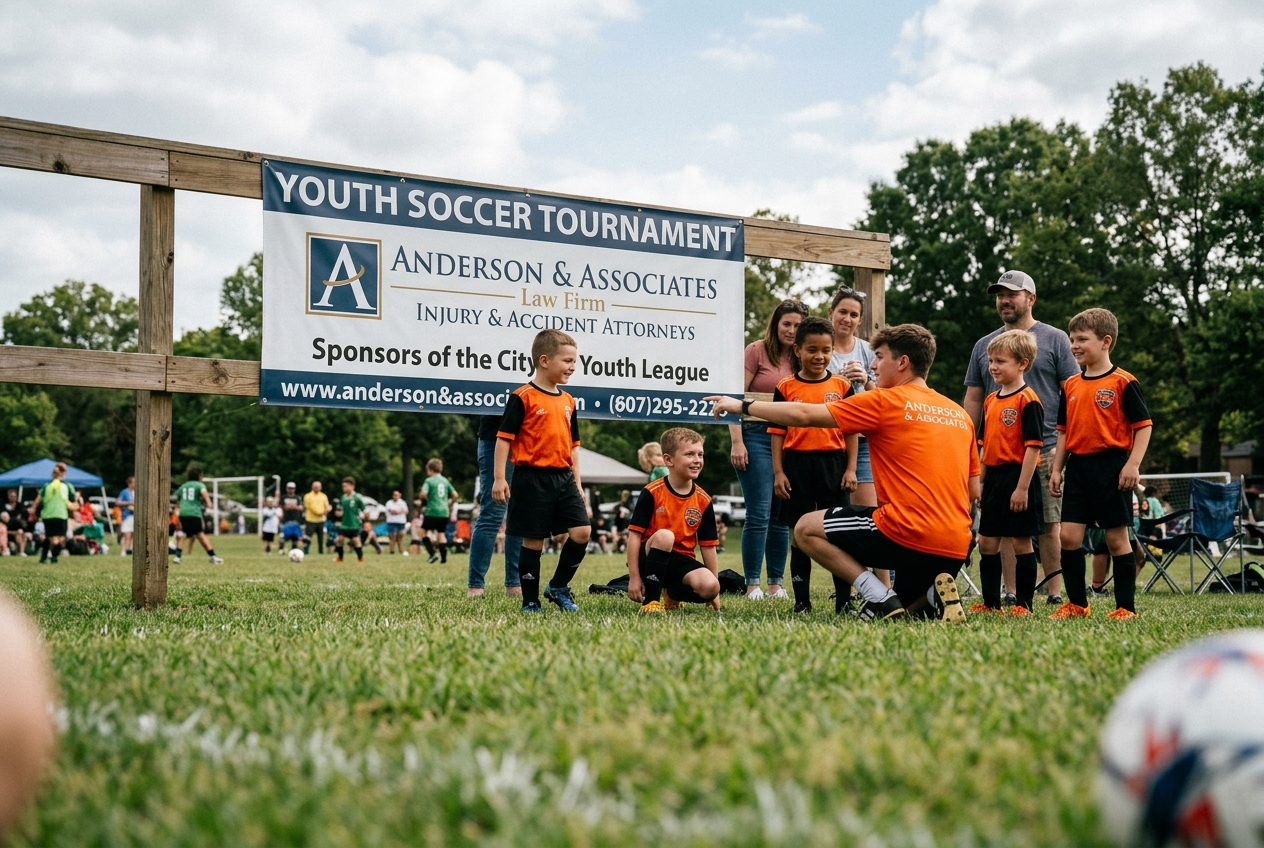
Understanding how personal injury attorneys get more leads means recognizing that visibility and goodwill often travel together. Sponsorships are one of the most direct ways to earn both. When your firm’s name appears on a Little League banner, a charity 5K shirt, or a local food bank’s donor wall, you become part of the community’s everyday life rather than an interruption during a commercial break. People remember the firm that supported the cause they care about, and when they or someone they know needs a lawyer, that memory carries real weight.
The preference for community-minded businesses is measurable. According to a report on community engagement and local brand reputation, about 73 percent of consumers prefer to buy from businesses that contribute to local causes. For a personal injury firm, that preference can be the deciding factor between you and a competitor a prospective client knows nothing about. A smart law firm marketing plan treats this goodwill as a long-term asset worth nurturing.
Choose sponsorships that fit your firm and your area. Youth sports, school programs, local festivals, first-responder appreciation events, and safety-focused charities all align naturally with a practice built around protecting people. Authenticity matters more than scale. A modest, genuine commitment to a cause your team actually cares about reads better than a large check written purely for exposure. People can tell the difference between real involvement and a logo bought for advertising.
Show up in person, not just on the banner. Have attorneys and staff attend the events you sponsor, volunteer at the drives you fund, and shake hands at the festivals you support. That face-to-face presence is what transforms a sponsorship from a marketing line item into a genuine relationship. Consider tying sponsorships to your firm’s mission, like funding a defensive driving program or a bike-safety event, so your community work reinforces what you do professionally. Over time, consistent local support builds a reservoir of goodwill that makes your firm the name people already trust before they ever need legal help, which is a far warmer starting point than a cold ad ever provides.
Highlighting Community Work in Marketing
A solid law firm intake process for injury clients matters little if those clients never hear of you, and your community work gives you something genuine to share. Doing good locally is only half the equation. Telling the story of that work, honestly and consistently, is what extends its reach beyond the people who were physically there. When you document a charity event, a scholarship award, or a volunteer day and share it across your website and social channels, you let thousands of people see a side of your firm that billboards can never show.
Stories move people in a way that facts alone do not. Research on brand storytelling shows that emotionally resonant content is dramatically more effective at driving engagement and loyalty than purely rational messaging, with some analyses, like those summarized by Abbey Mecca’s work on storytelling in marketing, noting that emotional campaigns can be many times more effective at driving response than rational ones. A photo of your team handing out backpacks tells a warmer, more memorable story than any list of case results. This is where focused personal injury attorney marketing turns everyday good deeds into content that reaches well beyond the event itself.
Share the work without making it about you. Lead with the cause and the people it helped, then let your firm’s involvement sit naturally in the background. Post photos and short videos from events, write brief recaps that thank the organizers and volunteers, and tag the local groups you partnered with so the content reaches their audiences too. That cross-sharing multiplies your visibility through people who already trust the organizations you supported.
Keep it consistent and genuine. A single annual post about charity work looks like an afterthought, while a steady stream of community content signals an ongoing commitment. Feature staff members in these stories so prospective clients see the real people behind the firm, which makes you feel approachable rather than corporate. Repurpose the content across formats, turning event photos into a social post, a newsletter item, and a short website feature. Avoid overpolishing. Slightly candid, real moments connect better than staged images. When your marketing consistently shows a firm that gives back, you build an emotional connection with your community long before anyone needs your services, and that connection is exactly what makes them choose you when the moment comes.
Strengthening Reputation With Social Proof
Many of the questions clients ask before hiring an injury lawyer come down to one quiet worry: can I trust this person? Social proof answers that worry better than any self-promotion can. When a prospective client sees that others in the community vouch for your firm, through reviews, testimonials, and visible local recognition, your credibility climbs without you saying a word about yourself. Community involvement and social proof reinforce each other. The goodwill you build through sponsorships and volunteer work generates the positive word of mouth and reviews that convince the next client to call.
The influence of that proof is hard to overstate. According to BrightLocal’s local consumer review research, the large majority of consumers trust online reviews nearly as much as personal recommendations, and most read several reviews before deciding to trust a local business. For a personal injury firm, a strong base of reviews from satisfied clients and community partners can tip a hesitant prospect toward you.
Gather social proof deliberately. Ask satisfied clients for reviews at the right moment, shortly after a successful resolution when gratitude is fresh, and make the process easy with a direct link. Encourage the community organizations you support to mention your firm publicly, since a thank-you from a respected local charity carries authority that paid ads cannot match. Collect short testimonials, written or on video, that describe not just the outcome but how your team treated people along the way.
Display that proof where prospects make decisions. Feature reviews and testimonials on your homepage and key service pages, highlight community recognition and awards, and respond to every review, positive or negative, because visible, gracious responses signal a firm that cares. Combine client stories with evidence of your local work, so a visitor sees both the results you deliver and the values you live by. Keep the proof current, adding fresh reviews and recent community photos regularly, since up-to-date social proof reassures people far more than dated praise. When your reputation rests on real voices from real people, both clients you have helped and the community you have supported, you give nervous prospects the confidence to reach out at one of the hardest moments of their lives.
Frequently Asked Questions
How can personal injury attorneys reduce client drop-off?
Clear, empathetic communication is the biggest factor. Provide regular case updates, set realistic expectations, and keep support easy to reach throughout the process. A thoughtful onboarding experience that addresses common fears, combined with simple tools for communication and document sharing, keeps clients engaged and far less likely to disengage during a long case.
What intake strategies increase conversions for injury law firms?
Respond quickly, simplify your intake forms, and train your team to lead with empathy rather than process. Offering multiple contact options like phone, email, and chat accommodates different preferences. Using a CRM to track leads and automate follow-up ensures no potential client slips through the cracks, which is where many firms quietly lose business.
How does content marketing help personal injury lawyers stand out?
It positions you as a credible, caring resource before anyone calls. Blog posts, videos, and testimonials that address real client fears build trust over time, and community-focused content shows your human side. Paired with strong local SEO, that content makes you easier to find at the stressful moment someone needs help most.
Winning Trust, Step by Step
Community involvement gives personal injury firms a way to compete that does not depend on outspending everyone on ads. Sponsorships build local trust, sharing that work extends your reach, and the social proof it generates reassures the next client who is deciding whom to call. Done sincerely, it makes your firm the familiar, trusted name in a crowded market. If you want help turning your community work into a marketing engine that brings in cases, the team at Aginto can build a plan around your firm. Reach out to schedule a free consultation and let’s talk about your goals.