
What if the cheapest ad you run this season is the one that books your biggest jobs? For roofing companies, that is exactly how roof inspection ads work. Most homeowners do not wake up wanting a full roof replacement — they wake up wondering whether the stain on the ceiling is a problem. A low-cost or free inspection answers that question, and it puts your crew on the roof before a competitor ever gets a call. From there, an honest assessment does the selling for you. If you want to understand the right way to follow up after that first visit and keep customers talking about you, our guide on collecting reviews after a roofing job pairs well with the inspection strategy below. Done right, inspections become the front door to your most profitable work.
Positioning Inspections as Low-Risk Entry Points
Roof inspection ads are your gateway to full replacements because they remove the one thing that stops homeowners from calling: fear of being sold something they do not need. A free or low-cost inspection asks for almost nothing. The homeowner is not committing to thousands of dollars — they are agreeing to let a professional look and tell them the truth. That low bar is what makes the offer convert. People who would scroll past a “replace your roof” ad will stop for “free roof check before the storm season.” You are meeting them at the exact moment of uncertainty, not asking them to make a decision they are not ready for.
The numbers back this up. According to lead generation data compiled by Pinecone Leads, roofers who knock doors and offer free inspections after storms convert 8 to 15 percent of those conversations into booked inspections, and 25 to 40 percent of inspections turn into a formal bid. Those rates crush what cold advertising delivers, because the homeowner has already raised their hand by letting you on the property. An ad that promises an inspection is simply doing the door-knock at scale, reaching people across your whole service area at once.
The framing matters as much as the offer. Position the inspection as a service, not a sales call. Tell homeowners exactly what they get: a written report, photos of any problem areas, and a clear explanation with no pressure. When the ad reads like a helpful neighbor rather than a pitch, click-through and call rates climb. Add a touch of urgency tied to weather or seasonal wear, and you give people a reason to act now instead of filing the idea away for later.
Finally, make the next step effortless. A short form, a click-to-call button, and a same-week scheduling promise turn interest into a booked appointment before the homeowner second-guesses. The inspection ad does not need to close the job. It only needs to get your ladder against the house, where trust is built one honest observation at a time.
Training Staff to Convert Inspections Into Larger Jobs
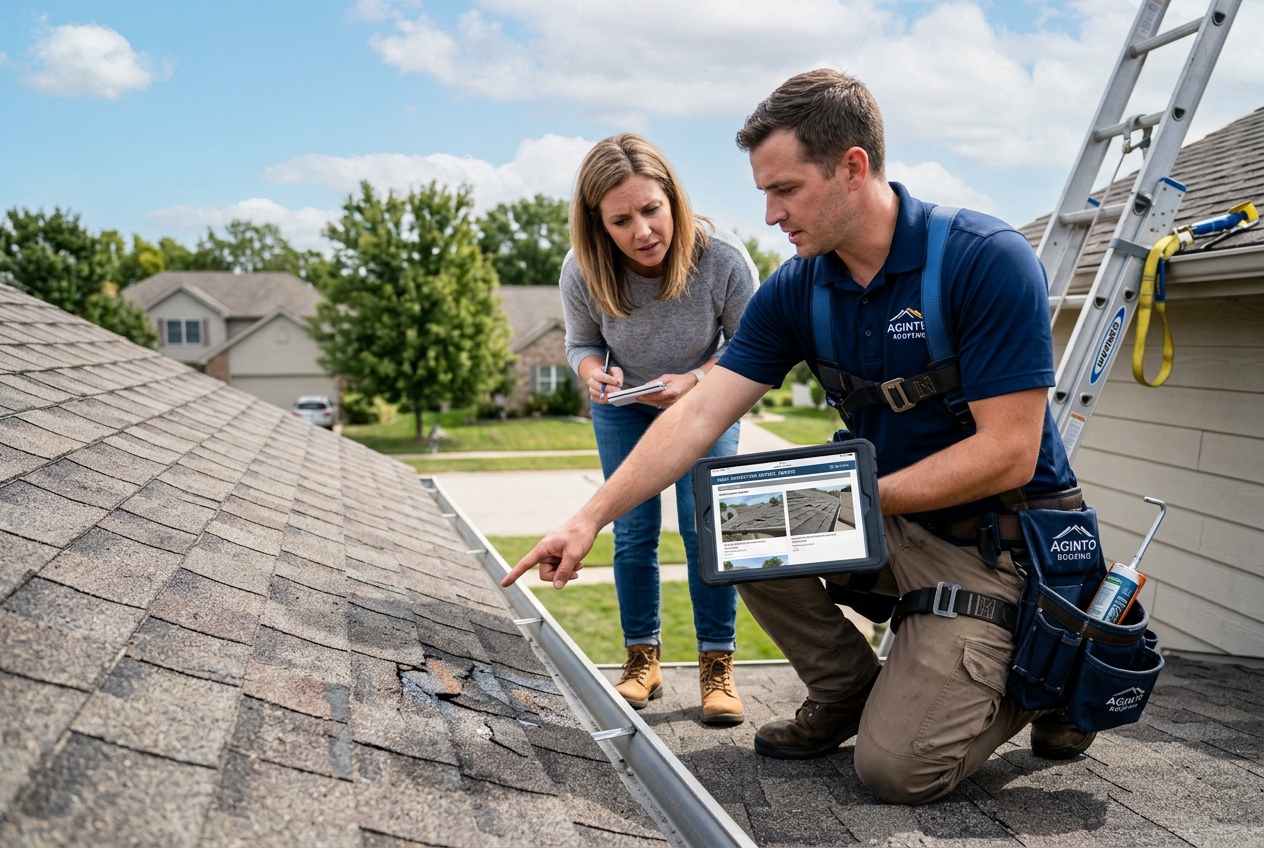
Booking the inspection is only the start; converting inspections into larger jobs depends almost entirely on the person standing on the roof. A technician who rattles off problems and hands over a quote will lose the sale. One who walks the homeowner through what they are seeing, shows photos, and explains the difference between a patch and a real fix earns the kind of trust that closes replacements. Training your staff to teach rather than sell is the highest-leverage thing you can do with the leads your ads produce.
Trust is the currency here, and the data shows how valuable it is. Roofing leads built on credibility close at dramatically higher rates than cold ones. Analysis from Lead Gen Jay found that customers who come through reviews and referrals close 50 to 70 percent of the time, while customers from cold ads close at just 8 to 15 percent. An inspection sits in the middle — but it tips toward the high end when your technician behaves like a trusted advisor instead of a closer. Every honest “this section is actually fine” buys you credibility for the part that genuinely needs work.
Give your team a simple, repeatable process. Document the roof with clear photos. Sit down with the homeowner and walk through each image. Present options in plain language: a focused repair, a partial fix, or a full replacement, with honest pros and cons for each. When people understand why a replacement makes more sense than a third patch on a twenty-year-old roof, they choose it themselves. You are not talking them into anything; you are giving them the information to decide.
Equip technicians with the tools to make that conversation smooth — a tablet for photos, financing options ready to mention, and clear written estimates with timelines. Role-play the awkward moments, like delivering bad news or handling “let me think about it.” The companies that win are not the ones with the slickest ads. They are the ones whose people turn a fifteen-minute inspection into a relationship the homeowner trusts with a five-figure project.
Building Campaigns That Drive Predictable Replacement Work
Questions clients ask about why roof inspection ads are your gateway to full replacements almost always come back to one thing: can this actually be predictable? The answer is yes, but only if you treat inspection ads as a system rather than a one-off promotion. A predictable pipeline comes from running campaigns consistently, tracking what each channel produces, and reinvesting in the sources that turn the most inspections into signed contracts. Guesswork produces feast-or-famine months. Measurement produces a steady flow of replacement jobs you can plan your crews around.
Start with the channels that reliably perform for roofers and feed them steadily. According to roofing lead benchmarks from Invoice Fly, mature Google Ads accounts for roofing companies typically generate 30 to 60 leads per month at roughly $20 to $35 each. When you know your cost per inspection lead and your inspection-to-replacement close rate, you can calculate exactly what each replacement costs to acquire — and scale spend with confidence instead of fear. That math is what separates a roofer who advertises sometimes from one who advertises always.
Layer your campaigns so they reinforce each other. Pair search ads that catch people actively looking with local service ads and a well-tended Google Business Profile that builds visibility before anyone clicks. Use seasonal and storm-related timing to launch inspection offers when demand naturally rises. Then retarget the homeowners who booked an inspection but have not yet committed, keeping your name in front of them while they decide. Each touch lowers the cost of the eventual replacement.
Above all, track everything. Tag your leads by source, log which inspections become bids, and watch which bids become jobs. When you can see that a particular campaign produces replacements at a cost you are happy with, you simply do more of it. That feedback loop — advertise, inspect, convert, measure, reinvest — is how inspection ads stop being a gamble and become the most predictable growth engine your roofing business has.
Frequently Asked Questions
What are effective strategies for using roof inspection ads to win full replacements?
Lead with a free or low-cost inspection to lower the barrier, then frame it as honest help rather than a sales call. Train technicians to teach with photos and plain language. Track leads by source so you can reinvest in the campaigns that turn the most inspections into signed replacement jobs.
How can roofers improve results from roof inspection ad campaigns?
Make the next step effortless with click-to-call buttons and same-week scheduling. Add seasonal urgency tied to weather. Retarget homeowners who inspected but did not commit, and measure your inspection-to-replacement close rate so you know exactly which channels deserve more budget and which to cut.
Why do roof inspection ads matter for roofing business growth?
They convert far better than cold “replace your roof” ads because they meet homeowners at the moment of uncertainty with a low-risk offer. That first visit builds trust, and trusted leads close at much higher rates — turning small inspection spend into predictable, high-value replacement work.
Moving Forward
Roof inspection ads work because they turn a small, low-risk offer into a trusted conversation that leads to your most profitable jobs. The pieces fit together: a compelling inspection offer, technicians trained to advise instead of sell, and campaigns you measure and reinvest in until replacements become predictable. If you want help building an inspection-to-replacement system that fits your market and your crew’s capacity, the team at Aginto can map it out with you. Aginto’s home services marketing team and our roofer marketing specialists are ready to talk — reach out for a free consultation and let’s turn your inspections into signed contracts.