
Would you spend fifteen thousand dollars on a service you did not fully understand? That is exactly the position many homeowners find themselves in when they shop for a new roof, squinting at warranty language they cannot decode. A clear warranty explainer on your website removes that uncertainty and replaces it with confidence, which is often the deciding factor between a homeowner calling you or your competitor. Aginto digs into this idea in its breakdown of the one website page every roofing company is missing, and warranty content is right at the heart of it. When you make the fine print feel friendly, you turn a source of anxiety into a reason to trust you, and that trust is what fills your schedule with booked jobs instead of unanswered quotes.
Simplifying Warranty Terms for Clients
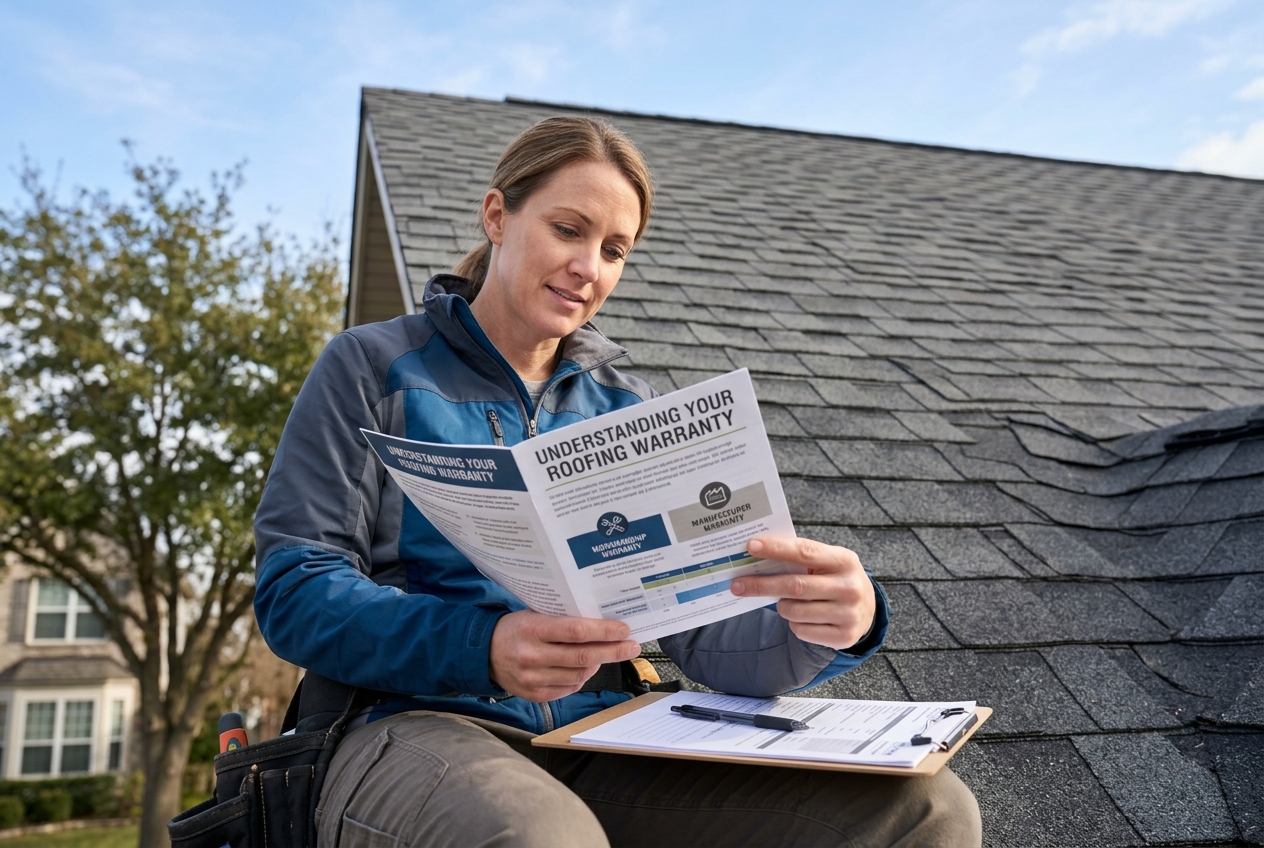
Understanding how roofing companies get leads online starts with a humbling fact: most homeowners do not know the difference between a workmanship warranty and a manufacturer warranty, and the ones who try to figure it out often give up. A warranty explainer page solves that. It translates dense coverage terms into plain English, walks readers through what is protected and for how long, and answers the questions they are too embarrassed to ask out loud. That clarity matters more than roofers often assume. According to global research from YouGov, around 76% of consumers say a warranty plan plays an important role when buying major items, which tells you the homeowner staring at your quote is already weighing this heavily.
Start by separating the two kinds of coverage in clear sections. Explain that a workmanship warranty covers the quality of your installation, while a manufacturer warranty covers the materials themselves. Spell out the time frames. If your workmanship warranty runs five years, say exactly what it includes: does it cover leaks from improper installation, flashing failures, or fastener issues? For manufacturer warranties, note the typical range, often ten to thirty years, and be specific about what is and is not included, because some cover materials but not the labor to replace them.
Use everyday comparisons to make abstract terms land, the same plain-spoken clarity that strong roofer marketing applies across every page of a website. You might explain that a manufacturer warranty is like the coverage on a new appliance, while your workmanship warranty is your personal promise that it was installed right. Avoid legal phrasing and define any term you cannot avoid. Lead with the benefits a homeowner cares about, such as cost savings, long-term protection, and peace of mind, rather than burying them under exclusions. Include a short section on how to file a claim, written as a simple step-by-step process, because knowing how to reach you when something goes wrong removes a real fear. When you make warranty terms genuinely easy to grasp, you do more than inform a reader. You signal that you have nothing to hide, and that openness is precisely what convinces a cautious homeowner to pick up the phone and request an estimate from you.
Building Trust by Reducing Confusion
Effective roofing contractor marketing strategies recognize that confusion is the silent killer of conversions. A homeowner who feels uncertain rarely says “I’m confused”; they simply stall, delay, or quietly call someone else. A warranty explainer attacks that hesitation head-on by replacing vague reassurances with concrete answers. The result is a smoother path from interest to commitment, because the buyer is not stuck guessing what they are actually paying for. Trust is the currency here, and it is hard to overstate its value: research from BrightLocal consistently finds that the overwhelming majority of consumers read reviews and weigh a business’s credibility heavily before hiring, and clear warranty information reinforces that same sense of reliability.
Confusion usually comes from gaps, so close them. If your coverage has exclusions, state them plainly rather than letting a customer discover them later and feel deceived. Surprises after the sale are how five-star relationships turn into one-star reviews. When you tell people up front that a manufacturer warranty may cover materials but not labor, you protect both the customer and your reputation. Honesty about limits paradoxically increases trust, because it proves you are not papering over the details.
This kind of transparency is a cornerstone of successful home services marketing, where buyers reward the company that explains rather than the one that oversells. Real stories make coverage believable. If a past customer had a roof section replaced at no cost under warranty, share that, ideally in their own words. A concrete example does more to reassure a nervous buyer than any list of terms, because it shows the promise is real and not just marketing language. Pair those stories with a calm, confident tone throughout the page, and answer the practical questions homeowners actually have: what happens if I sell the house, is the warranty transferable, and who do I contact in an emergency. You can also reference industry benchmarks to add weight; showing that your coverage meets or exceeds standard practices published by recognized roofing bodies adds another layer of credibility. Every question you answer before it is asked is a small deposit of trust, and enough of those deposits turn a hesitant visitor into a confident customer who feels safe choosing your company over a competitor who left them guessing.
Using Visuals to Clarify Coverage
Among the best SEO practices for roofing businesses is making complex information easy to absorb at a glance, and nothing does that better than visuals on a warranty explainer page. A wall of legal text intimidates readers; a clean infographic or a short explainer video invites them in. Visual formats also help people remember what they learned, which keeps your company top of mind when they are ready to decide. The retention gap is dramatic. According to Wyzowl, people retain roughly 95% of a message when they watch it in a video compared with only about 10% when reading it as text, which is a powerful argument for showing coverage rather than only describing it.
Build a simple comparison chart that lines up workmanship coverage against manufacturer coverage, with columns for what is covered, the duration, and any exclusions. A homeowner can scan it in seconds and grasp the difference instantly. Use icons to flag key points, such as a shield for protection, a calendar for time frames, and a phone for how to file a claim. Color and spacing do real work here: group related items, keep each block short, and let the page breathe so nothing feels overwhelming.
Short videos take it further. A sixty-second clip of you or a team member explaining your warranty in plain language builds a personal connection that text cannot match, and it lets homeowners hear the confidence in your voice. You might walk through a real claim from start to finish, showing how easy it is to get help if a problem ever arises. Annotated photos work well too: a labeled image of a finished roof can point out the components your warranty protects, turning an abstract promise into something tangible. Make sure every visual loads quickly and displays cleanly on a phone, since many homeowners will be reading on a small screen, sometimes standing in their own driveway looking up at a problem. Keep file sizes lean so the page stays fast, and add brief captions so the meaning is clear even with the sound off. When you let visuals carry the heavy lifting, your warranty information stops being a chore to read and becomes a reason to trust you, which is exactly the impression that earns the call.
Frequently Asked Questions
What is the best way for roofers to get local leads?
Start with a fully optimized Google Business Profile featuring accurate details, current photos, and steady reviews. Add locally focused website content, including service and warranty pages, plus involvement in community events and referral relationships. Together these create a dependable flow of nearby homeowners who already trust you before they call.
Do roof inspection ads generate full replacement jobs?
Yes, when handled honestly. A free or discounted inspection gives homeowners a low-risk way to engage. If you find genuine problems and explain them transparently, often with photos, moving to a full replacement becomes a natural next step rather than a hard sell. Trust built during the inspection is what drives the bigger job.
How can roofers use social media to build trust?
Post consistently with before-and-after photos, maintenance tips, customer testimonials, and quick answers to common questions. Participating in local community groups and hosting brief live Q and A sessions shows expertise and approachability. The aim is steady familiarity, so when someone nearby needs a roofer, your name already feels like the safe choice.
Raising the Next Roofline
A warranty explainer page is a small addition with a big return: it simplifies confusing terms, reduces the hesitation that costs you jobs, and uses visuals to make coverage stick in a homeowner’s memory. When your website does the work of building trust before anyone calls, your quotes convert at a higher rate. If you want help creating warranty content and a roofing marketing strategy that turns visitors into booked replacements, contact Aginto for a consultation and let our team build a plan around your goals.